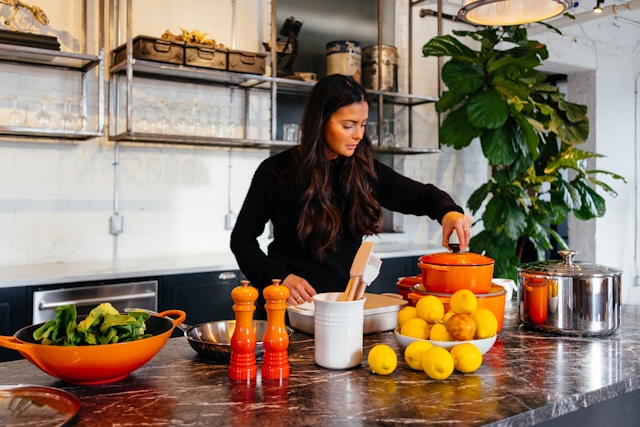
There’s something undeniably satisfying about making food from scratch. Whether it’s the smell of freshly baked bread filling the kitchen or the pride that comes from preparing a meal with simple, wholesome ingredients, home-made cooking has a certain appeal. But in today’s busy world, making everything yourself isn’t always realistic – or even necessary. The trick is knowing where homemade truly adds value and where a good-quality store-bought option is the smarter choice.
Read on to discover when it’s worth spending extra time in the kitchen and when convenience deserves a place at the table.
ALSO SEE: One tray, three meals: Master the skill of batch cooking
Homemade gives you more control
One of the biggest advantages of cooking from scratch is knowing exactly what goes into your food. You can reduce salt, sugar and unhealthy fats while avoiding preservatives and artificial additives that often appear in processed products. It’s also easier to accommodate food allergies, dietary preferences or family favourites when you’re in charge of the ingredients.
Fresh flavour is hard to beat
Some foods simply taste better when they’re homemade. Fresh salad dressings, tomato sauces, soups and dips often have a brighter, more vibrant flavour than store-bought versions. They’re also easy to customise with fresh herbs, spices or seasonal produce, making every meal feel a little more special.
Homemade can save money
Preparing staples like soups, muffins, granola or pasta sauce in larger batches can stretch your grocery budget, especially if you freeze leftovers for future meals. Buying pantry ingredients in bulk is often more economical than regularly purchasing individual ready-made items.
Some foods aren’t worth making
Not every recipe is worth the effort. Puff pastry, phyllo pastry, dried pasta and even mayonnaise can take considerable time to prepare, while many supermarket versions deliver excellent quality. Unless you enjoy the process, these are often better left to the professionals.
Not sure whether to DIY or buy? Use this quick guide to help you decide where your time is likely to have the biggest payoff in flavour, nutrition and convenience.
| Better Homemade | Better Bought |
|---|---|
| Salad dressings | Puff pastry |
| Tomato and pasta sauces | Dried pasta |
| Soups | Frozen vegetables |
| Hummus and bean dips | Canned beans |
| Granola | Canned tomatoes |
| Muffins and banana bread | Stock (good-quality low-sodium versions) |
| Energy balls | Curry pastes |
| Guacamole | Pesto (when short on time) |
| Pizza dough (if you enjoy baking) | Plain yoghurt |
| Overnight oats | Frozen fruit |
Smart shortcuts belong in every kitchen
Convenience foods aren’t automatically unhealthy. Frozen vegetables and fruit retain much of their nutritional value because they’re frozen soon after harvesting, while canned beans and tomatoes make healthy cooking quicker and easier. Good-quality stock, curry pastes and pesto can also save valuable time without sacrificing flavour.
Read the label before you buy
When choosing store-bought products, take a quick look at the ingredient list. Generally, the shorter and more recognisable the ingredients, the better. Look for products with minimal added sugar, sodium and preservatives, and opt for whole-food ingredients wherever possible.
Time is an ingredient too
It’s easy to compare ingredient costs, but your time has value as well. If making something from scratch requires several hours of preparation for only a slight improvement, it may not be the best use of your energy – especially during a busy workweek. Saving time on certain meals can free you up to enjoy cooking when it really matters.
Batch cooking changes the equation
If you enjoy cooking, making larger quantities can make homemade meals far more worthwhile. Doubling a soup, stew or pasta sauce recipe means you’ll have nutritious meals ready to freeze, reducing the temptation to rely on expensive takeaways or highly processed convenience foods later.
Find a balance that works for you
Healthy eating doesn’t mean making every ingredient from scratch. Some of the most practical kitchens combine homemade meals with thoughtfully chosen supermarket staples. A homemade curry with canned chickpeas, a roast dinner served with frozen vegetables or a grain bowl topped with store-bought hummus can all be nutritious, delicious and realistic for everyday life.
Homemade food will always have its place, but convenience doesn’t have to come at the expense of good nutrition. Instead of aiming to make everything yourself, focus on the recipes that deliver the biggest rewards in flavour, nutrition or cost. By combining homemade favourites with quality store-bought essentials, you’ll spend less time stressing in the kitchen and more time enjoying the meals you create.
ALSO SEE:
How to cook and freeze fresh vegetables for healthier meal prep
Featured Image: Unsplash