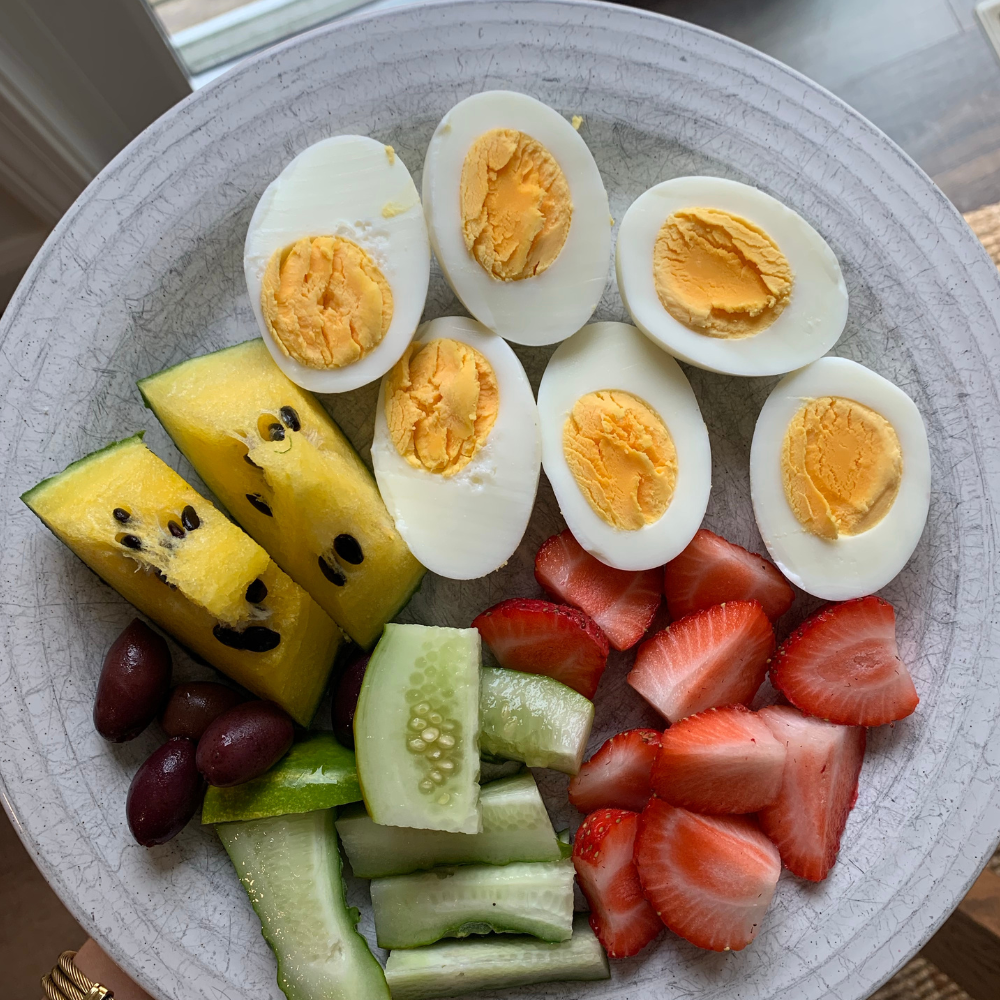
Protein has become the star of the wellness world. From protein-packed yoghurts and snack bars to high-protein meal plans flooding social media, it’s easy to believe that more protein is always better. While protein is an essential nutrient that supports muscle growth, hormone production, immune function and overall health, consuming excessive amounts can come with its own set of drawbacks.
The truth is that good nutrition isn’t about focusing on one nutrient, it’s about creating balance. Here’s what happens when your protein intake outweighs everything else on your plate and how to build meals that nourish your entire body.
Why protein matters
Protein is made up of amino acids, often called the building blocks of the body. It helps repair tissues, maintain muscle mass, keeps you feeling fuller for longer and plays a key role in everything from healthy skin and hair to enzyme and hormone production.
For many women, increasing protein intake can be beneficial, particularly when paired with strength training, during menopause or when trying to lose body fat while preserving muscle.
However, there is a point where more isn’t necessarily better.
What happens when you eat too much protein?
1. You may miss out on other essential nutrients
One of the biggest concerns isn’t the protein itself – it’s what gets pushed off your plate.
If every meal revolves around protein, there may be less room for fibre-rich vegetables, whole grains, fruit and healthy fats. Over time, this can lead to nutritional gaps that affect digestion, energy levels and long-term health.
A balanced diet provides far more than protein alone. Vitamins, minerals, antioxidants and fibre all play equally important roles.
2. Digestive issues can develop
Many high-protein diets are naturally lower in fibre, particularly if carbohydrate-rich foods are heavily restricted.
Without enough fibre from fruits, vegetables, legumes and whole grains, constipation, bloating and digestive discomfort can become more common.
Fibre also feeds your gut microbiome, which supports immune health, digestion and even mental wellbeing.
3. Your kidneys may have to work harder
For healthy individuals, moderate increases in protein are generally considered safe.
However, consistently consuming very high amounts of protein may place additional strain on the kidneys, particularly for people who already have kidney disease or reduced kidney function. Anyone with existing kidney concerns should speak with a healthcare professional before following a high-protein eating plan.
4. You could feel low on energy
Many high-protein eating plans significantly reduce carbohydrates.
While this may work for some people in the short term, carbohydrates remain the body’s preferred source of energy—especially for the brain and during exercise.
Too few quality carbohydrates may leave you feeling fatigued, mentally foggy or less able to perform during workouts.
5. Heart health depends on your protein sources
Not all protein is created equal.
If your protein intake mainly comes from processed meats, fatty cuts of red meat or heavily processed protein products, you may also be consuming higher amounts of saturated fat and sodium, which can negatively impact cardiovascular health over time.
Choosing lean and varied protein sources makes a significant difference.
6. You may consume more calories than you realise
Although protein is filling, it still contains calories.
Large portions of protein combined with protein snacks, shakes and fortified products throughout the day can quickly increase overall calorie intake without you noticing.
If your goal is weight management, balance remains just as important as quantity.
How much protein do you actually need?
Protein needs vary depending on your age, activity level, health status and fitness goals.
As a general guideline:
- Most healthy adults need approximately 0.8 grams of protein per kilogram of body weight per day.
- Active individuals or those regularly strength training often benefit from 1.2 to 2.0 grams per kilogram of body weight, depending on training intensity and goals.
- Older adults may also benefit from slightly higher protein intake to help preserve muscle mass.
Rather than chasing the highest possible number, aim to spread your protein evenly throughout the day.
Don’t forget these important nutrients
If you’ve been prioritising protein, make sure you’re also getting enough:
- Fibre – from vegetables, fruit, beans and whole grains.
- Healthy fats – from oily fish, nuts, seeds and olive oil.
- Calcium – from dairy products or fortified alternatives.
- Iron – from lean meats, legumes and leafy greens.
- Vitamin C – from citrus fruit, berries and peppers to support immunity and improve iron absorption.
These nutrients work together with protein to support overall health.
Protein deserves its place in a healthy diet, but it shouldn’t steal the spotlight entirely. Your body thrives on variety, and no single nutrient can do the work of an entire balanced eating pattern.
Instead of asking, “How can I eat more protein?” a better question might be, “How can I build a meal that includes protein alongside fibre, healthy fats, complex carbohydrates and colourful produce?”
After all, the healthiest diet isn’t about eating more of one thing. It’s about eating enough of everything your body needs.
ALSO SEE:
Eat your way through winter – 10 superfoods your body will thank you for
Featured Image: DupePhoto