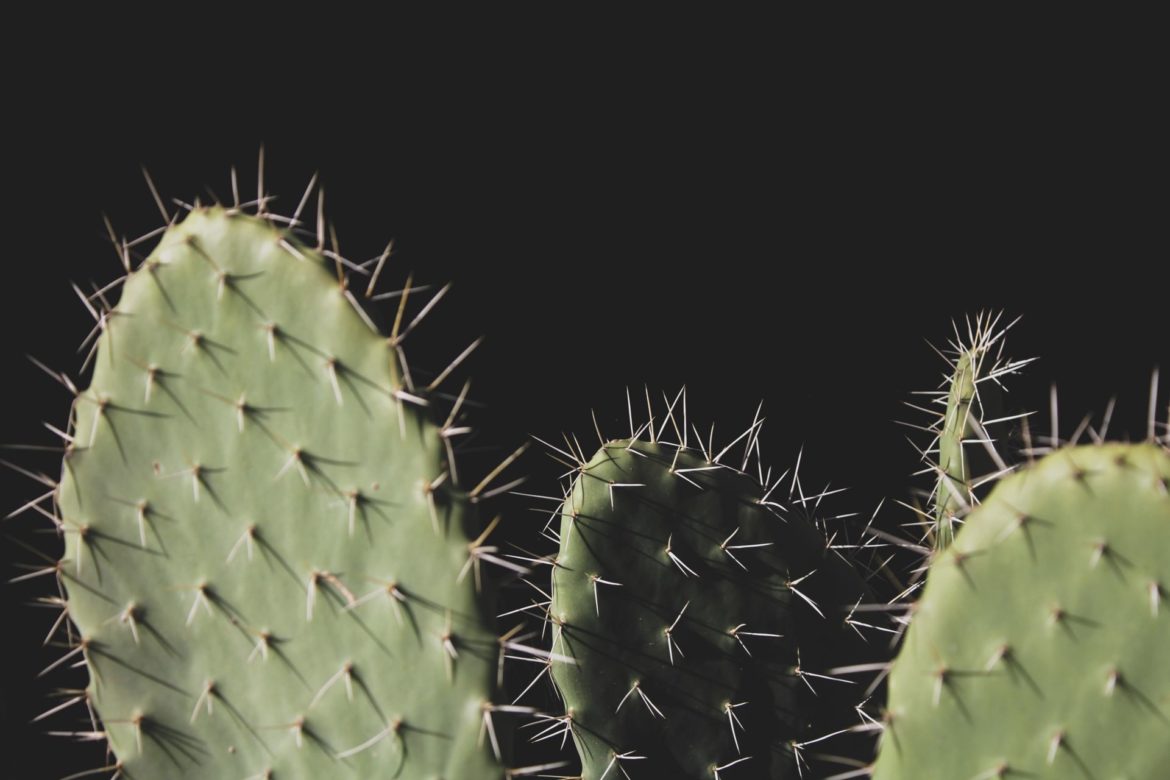
For anyone who has become genuinely interested in succulents, there comes a point where buying plants from a nursery starts to feel like an incomplete experience. Growing from seed offers access to varieties that simply do not appear on nursery shelves, complete control over the plant’s environment from the very beginning, and the particular satisfaction of watching something develop from nothing over months and years. Both aloes and cacti can be grown from seed. The process is similar in its principles, different in its timing and temperament, and rewarding in a way that immediate gratification cannot quite replicate.
Why grow from seed
Beyond variety access, seed propagation offers one significant advantage that is easy to overlook: you know exactly what conditions the plant has been grown in from the start. A nursery purchase comes with an unknown history, potential pest stowaways not visible on initial inspection, and an adjustment period as the plant adapts from its propagation environment to yours. A seed-grown plant adapts to your specific conditions from germination onwards and tends to establish with less drama as a result.
The honest cons
Slow growth is the primary barrier. Cacti are among the slowest-growing plants available, and growing from seed extends the timeline dramatically: some species will produce seedlings barely a centimetre tall after a full year. The patience required is genuine, and anyone who needs visible progress quickly will find this frustrating.
Germination rates are variable and unpredictable. Fresh seed from reputable sources germinates more reliably than collected seed, but even good-quality seed will not produce a uniform result. Some seeds take weeks; others of the same species may take months. And the seedling environment requires consistent attention through the early months: temperature, moisture and light all need to be maintained within specific ranges. A single drying-out event during germination can kill an entire tray.
Aloes from seed
South African gardeners have an advantage with aloes: many species are indigenous and therefore already adapted to local conditions. Aloe seeds can be collected from the seed pods of a flowering plant once the pods have dried and begun to split. The seeds inside are pale, papery and light. For more reliable results with specific varieties, purchasing seed from specialist indigenous nurseries or seed companies is the more consistent approach.
Aloe seeds germinate faster than most cactus species and the seedlings establish more quickly: a one-year-old aloe seedling is typically recognisable as its species, and some varieties reach a useful size within two to three seasons. The process is otherwise similar to cacti: a gritty, free-draining medium, humidity control in the early stages, and careful moisture management as the seedlings establish. The best time to sow aloe seed in South Africa is late spring to early summer, October to November, when temperatures are rising and days are lengthening.
Cacti from seed
Cactus seeds can be started indoors or in a greenhouse at any time of year, since the conditions they need are controlled rather than climate-dependent. You need a small pot or seed tray, a gritty seed-starting mix with excellent drainage, vermiculite to cover the seeds lightly, and a clear plastic cover or bag to maintain humidity around the tray.
Soak seeds in lukewarm water overnight before sowing to improve germination rates for many species. Fill the tray with moist (not wet) mix, scatter the seeds evenly without overcrowding, and cover with a thin layer of vermiculite. Some species germinate better uncovered, so check the requirements for your specific variety. Place the covered tray in a warm spot with bright but indirect light.
Once germination begins, which can take anywhere from two weeks to several months, resist the urge to increase watering. Allow the medium to begin drying out slightly between mistings, which reduces the risk of damping off, the fungal condition that kills seedlings at soil level. Leave the seedlings in their tray for several months before considering any repotting.
A long game worth playing
Growing aloes and cacti from seed is explicitly not a quick project. It is a commitment to watching something develop over a timescale that most garden tasks do not require. The reward is a plant that is genuinely yours from its first day of existence, that is perfectly adapted to your conditions, and that represents a collection of genuine investment rather than a purchasing decision. For the patient gardener, there are few more satisfying long-term projects available.
ALSO SEE:
What exactly are microgreens and do they really make your meals healthier?
Featured Image: Pexels