
Dealing with insect pests on houseplants is one of the more frustrating realities of indoor gardening. Mites, aphids, mealybugs and thrips can appear without an obvious cause and spread quickly from plant to plant. Alongside conventional remedies, there is a genuine scientific basis for using fragrant plants as a first line of prevention, though the results depend on which plant you choose, where you place it and what pest you are trying to deter.
How plants repel insects
Aromatic plants contain volatile compounds, primarily the essential oils responsible for their characteristic scents, that insects detect through their highly sensitive olfactory systems. Many common insect pests find certain scents actively repellent and will avoid surfaces or spaces associated with them. This is the same principle behind lavender sachets deterring moths in a linen cupboard: the scent itself is the deterrent, and it works whether it comes from a dried bag or a living plant.
The effect is real but nuanced. A fragrant plant positioned near your houseplants creates a scent buffer that can discourage some insects from settling, but it will not eliminate an existing infestation and should not be relied on as a standalone control measure. Think of it as one component in a broader approach.
The plants most worth trying
Mint, in its several varieties, is one of the most consistently recommended options. Peppermint, spearmint and chocolate mint all contain menthol, which has documented repellent effects against aphids, whiteflies and ants. Mint also grows well in partial sun, which makes it one of the more forgiving herbs for indoor conditions, and it has the added benefit of deterring rodents, which can be a secondary concern in some homes.
Lavender is effective against moths and a range of flying insects but requires full sun and a gritty, well-draining soil to thrive indoors, which limits its practical usefulness as a houseplant in most rooms. Placed at an entry point that receives at least five hours of direct sun daily, it can provide a useful outdoor-to-indoor barrier.
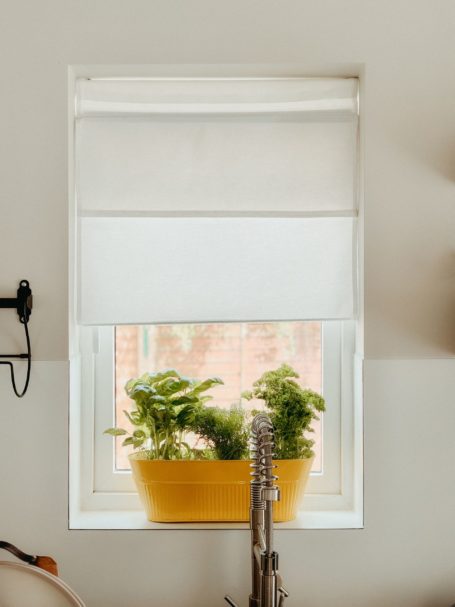
Basil is worth including with some caveats. It repels whiteflies effectively but can attract aphids when those pests are already present in the environment. Before placing basil near other houseplants, check whether you have an existing aphid issue elsewhere in the room.
Rosemary has some evidence for repelling mosquitoes and certain flies, though it is also susceptible to spider mite infestations if already present in the home. It is a better choice for spaces that do not already have spider mite problems.
Placement and what it cannot do
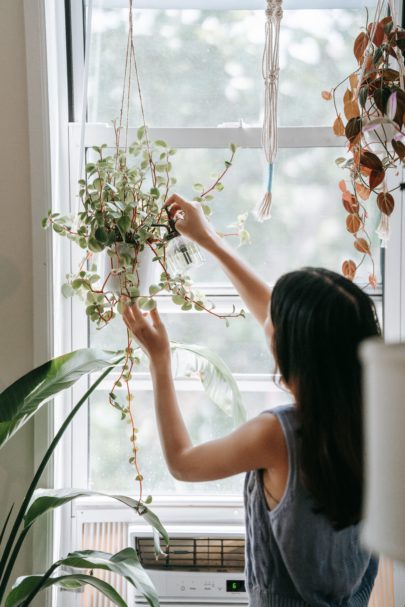
The most effective placement for pest-repelling herbs is at entry points where insects typically gain access: near window sills, doorways or vents. A pot of mint or basil placed just outside a frequently opened door or below a window that is often left open offers a sensory barrier before insects even reach the room.
For protection of other houseplants specifically, placing a fragrant herb nearby adds a layer of deterrence but does not substitute for good plant hygiene. Clean tools and containers between uses, do not reuse potting soil from a plant that has had pest problems, maintain a clean growing environment, and respond quickly at the first sign of infestation, rather than hoping the herbs will manage it. Fragrant plants are a useful addition to this toolkit, not a replacement for it.
ALSO SEE:
Itchy ears during perimenopause: Why it happens and how to find relief
Featured Image: pexels