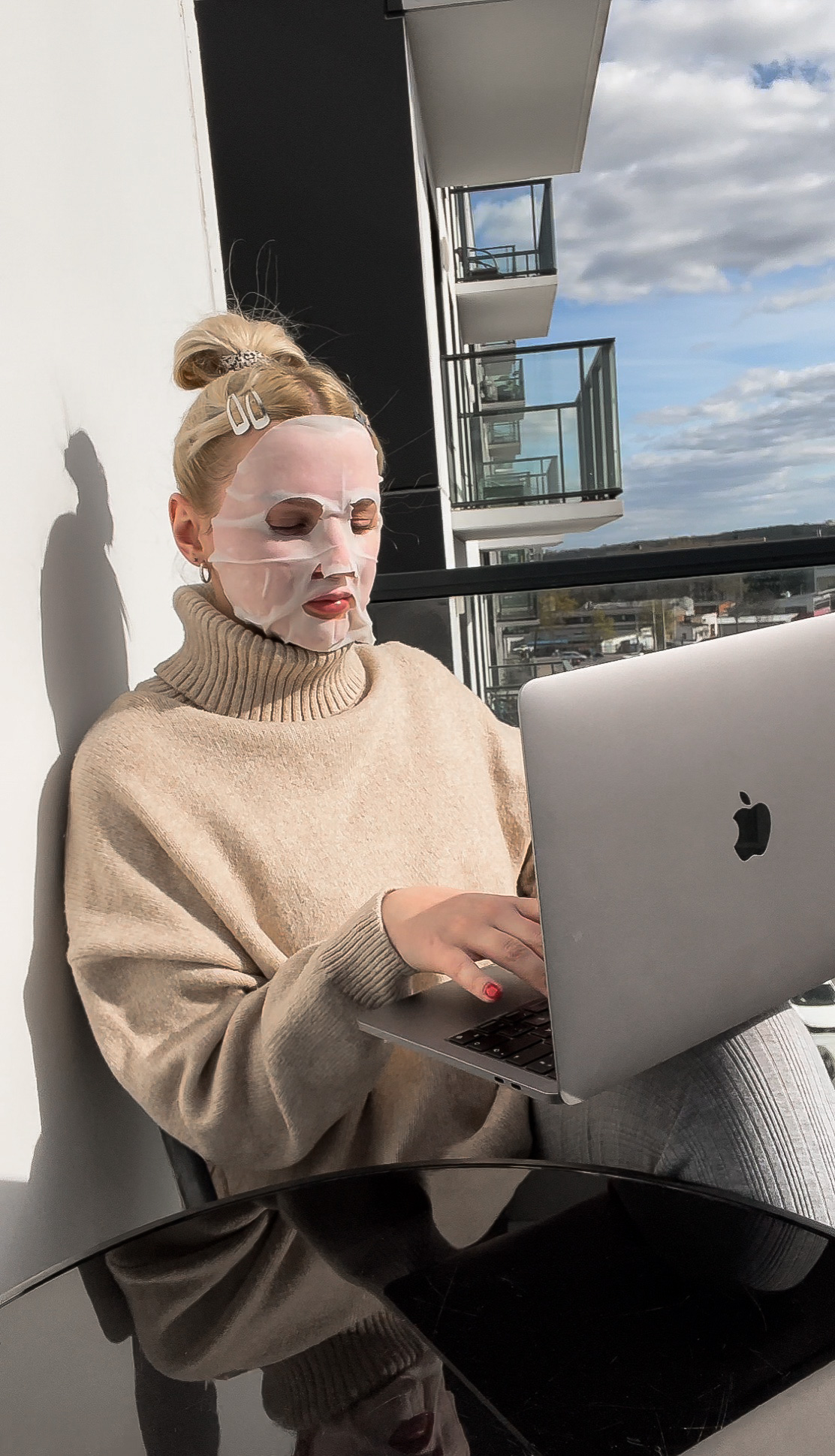
We often think of stress as something that happens in our minds, but our skin tells the story too. If you’ve ever noticed a breakout before a big deadline, dark circles after a difficult week, or dull, tired-looking skin during a stressful period, you’re not imagining it.
Chronic stress can have a visible impact on your face, affecting everything from hydration levels to inflammation and collagen production. The good news? Once you understand how stress shows up on your skin, you can take practical steps to minimise its effects and support a healthier, more radiant complexion.
Why stress affects your skin
When you’re stressed, your body releases hormones such as cortisol and adrenaline. While these hormones are useful in short bursts, consistently elevated cortisol levels can:
- Increase oil production
- Trigger inflammation
- Disrupt the skin barrier
- Slow down healing
- Break down collagen and elastin over time
- Affect sleep quality, which is essential for skin repair
Essentially, stress creates the perfect environment for multiple skin concerns to appear at once.
5 common ways stress shows up on your face
1. Breakouts and congestion
One of the most noticeable signs of stress is an increase in pimples, especially around the jawline, chin, and cheeks. Higher cortisol levels stimulate the sebaceous glands, leading to excess oil and clogged pores.
The use of a gentle cleanser twice daily could help, while incorporating ingredients like Salicylic Acid or Niacinamide. Try to avoid over-scrubbing, which can worsen inflammation and prioritise sleep whenever possible.
2. Dull, tired-looking skin
Stress can reduce circulation and disrupt normal skin renewal, leaving the complexion looking flat, grey, or lacking radiance.
Add a vitamin C serum to your morning routine, stay hydrated throughout the day, use a gentle exfoliant 1–2 times a week and take short movement breaks to improve circulation.
3. Dark circles and puffiness
Stress often affects sleep quality, and the under-eye area is usually the first place to show it. You may notice deeper dark circles, swelling, or a puffy appearance.
Keep a consistent bedtime routine, use a cool compress or chilled eye patches, choose eye products containing caffeine or hyaluronic acid and reduce screen time before bed.
4. Increased sensitivity and redness
If your skin suddenly feels more reactive, burns when applying products, or appears red and irritated, stress may be weakening your skin barrier.
Simplify your skincare routine temporarily, focus on ceramides, glycerin, and soothing ingredients, avoid introducing multiple new active ingredients at once and protect your skin with SPF daily.
5. Fine lines that look more noticeable
Stress doesn’t create wrinkles overnight, but dehydration, tension, and reduced collagen support can make existing fine lines appear more pronounced, particularly on the forehead and around the eyes.
Use a hydrating moisturiser, consider ingredients such as retinol (if suitable for your skin), practice facial relaxation techniques and manage stress levels consistently rather than only during crises.
The hidden sign: Tension in your facial muscles
Many people carry stress in their face without realising it. Common areas include:
- The jaw (clenching)
- The forehead (frowning)
- Around the eyes (squinting)
- The neck and shoulders
Over time, constant muscle tension can contribute to headaches, jaw discomfort, and more pronounced expression lines.
What you can do beyond skincare
While skincare can help manage the visible effects of stress, the most powerful improvements often come from addressing the stress itself.
-
Prioritise sleep: Aim for 7–9 hours whenever possible.
-
Move your body daily: Even a 20-minute walk can help regulate stress hormones.
-
Eat enough protein and healthy fats: Your skin needs nutrients to repair itself.
-
Limit doom-scrolling: Constant stimulation can keep your nervous system activated.
-
Create calming rituals: A warm shower, journaling, stretching, or reading can signal to your body that it’s safe to relax.
Your face is often one of the first places stress becomes visible. Breakouts, dullness, puffiness, redness, and increased sensitivity are not simply cosmetic issues, they’re signals from your body that it may need more rest, recovery, and support.
Instead of treating every skin concern in isolation, try asking a different question: ‘What is my skin trying to tell me about my stress levels right now?’
Sometimes the glow we’re chasing is actually the result of feeling a little less overwhelmed.
ALSO SEE:
Your travel skincare essentials: how to pack light without compromising your skin
Featured Image: DupePhoto