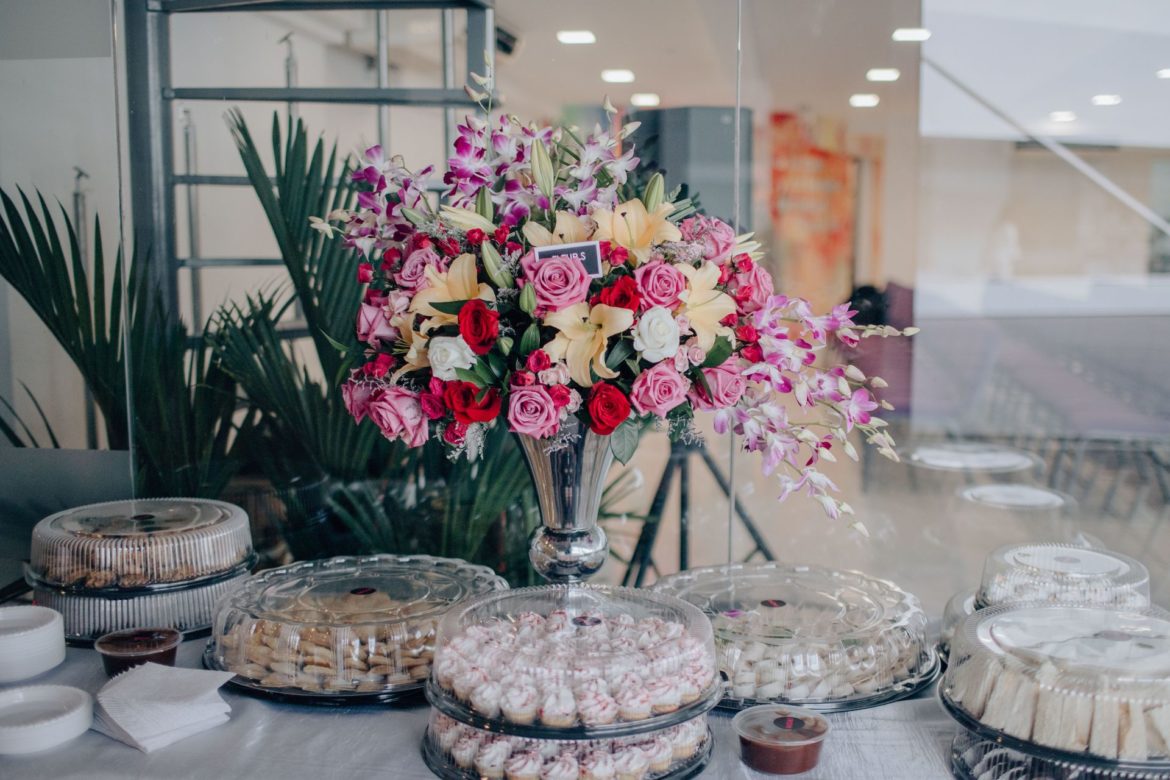
There is a particular warmth in a table arrangement made from flowers you grew yourself, something that a florist, however talented, simply cannot replicate. Whether the event is a milestone birthday, a baby shower, an anniversary dinner, a graduation party or a housewarming, homegrown flowers tell a different kind of story. They also, when planned properly, cost a fraction of what you would pay for equivalent bought stems.
The approach requires some advance planning, a willingness to grow more than you think you will need, and an acceptance that the garden will have its own opinions about what performs best. But for most celebrations, the bar does not need to be florist-perfect. A generous bunch of cosmos in a jam jar, a cluster of zinnias in a galvanised bucket, or a loose arrangement of sunflowers and foliage in a large vase can define a table in a way that is both personal and genuinely beautiful.
Start with the date and work backwards
The single most important piece of planning is calculating backwards from your event date. Most summer annuals take between 60 and 90 days from seed to first flower, depending on variety and conditions. If your event is in December or January, your sowing window opens in late September and October. A March birthday gives you a September or October sowing date for many annuals, though autumn flowers like dahlias and chrysanthemums suit a late-summer event better. The key is knowing when you need flowers, choosing varieties that reliably bloom in that window, and sowing early enough to have a cushion.
How much to grow
More than you think, in almost every case. For a large birthday or anniversary gathering with multiple table arrangements, a reasonable estimate per centrepiece is 15 to 25 stems, depending on the size of the vessel and how full you want the arrangements to look. A single generous bunch for a housewarming or a baby shower gift might need only 20 to 30 stems in total. Whatever number you calculate, add at least a quarter more to account for stems that bend, blooms that open too early or too late, or flowers that simply don’t look right on the day.
The most reliable flowers to grow
The best homegrown event flowers are those that bloom generously, tolerate cutting and respond to it by producing more stems. Zinnias are the starting point: they bloom in around 60 days, produce abundantly, and the more you cut them, the more they branch. They work for almost any occasion and in almost any colour combination.
Cosmos are similarly reliable and fast, with an informal, wildflower quality that suits relaxed gatherings and garden parties beautifully. Sunflowers give scale and drama to an arrangement, working particularly well for outdoor summer events. Dahlias are the flowers for a late-summer or early-autumn celebration, with a range from small, simple pompons to large dinner-plate varieties that make an immediate statement.
For smaller events where a few simple bunches are enough, sweet peas bring scent and a cottage charm that is hard to replicate with any other flower. Strawflowers, statice and celosia have the additional advantage of drying beautifully, which gives them a longer useful window and means you can begin harvesting well before the event date.
Setting up to grow
A cutting patch as small as five square metres in a sunny position can produce a surprising quantity of flowers for a single event when planted densely with productive varieties. Rich, well-prepared soil with good drainage gives the best results; work in compost before planting if your soil is heavy or sandy. Horizontal netting or a simple grid of twine at about 30 centimetres above soil level supports taller plants without individual staking and makes harvesting significantly easier.
The season in South Africa
The widest selection of event flowers is available for summer celebrations from November through February, when zinnias, cosmos, sunflowers, dahlias, snapdragons and sweet peas all overlap. Spring events, from August through October, can draw on spring bulbs planted the previous autumn: tulips, narcissus and ranunculus can be spectacular for a September birthday or an October engagement celebration. Autumn events, from March through May, suit dahlias particularly well. Winter events from June through August are the most challenging for homegrown blooms in frost-prone areas; consider dried flowers, which can be grown and prepared months in advance and take the timing pressure entirely out of the equation.
On the day
Cut flowers in the cool of early morning or late evening, when stems are fully hydrated, and get them into water immediately. Cut longer than you need and trim down when arranging. Most flowers cut when half to three-quarters open will continue to open beautifully in the vase. For events where a professional result matters more than the DIY element, consider growing the filler and foliage yourself and sourcing a small number of premium blooms, peonies, roses or lisianthus from a local flower farmer. The combination of homegrown abundance and a few bought stems produces an arrangement that is both personal and polished.
ALSO SEE:
Featured Image: Pexels