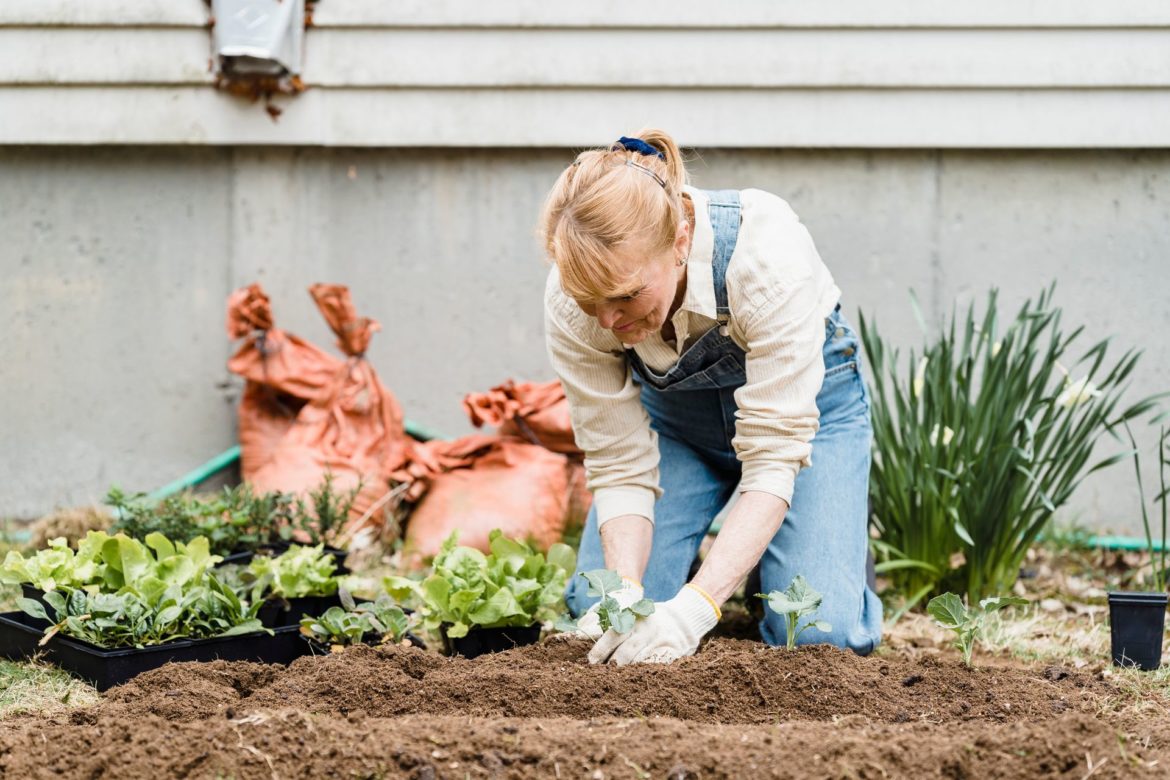
Healthy soil is the one thing that makes every other part of gardening easier, and winter, when the beds are empty and there is nothing actively growing that you might disturb, is the single best time to work on it. The good news is that improving your soil does not require a significant outlay, specialist knowledge or much physical effort. Most of what works is available for free or very little cost, and the process is closer to a series of small decisions than it is to a project.
Understand what soil is actually doing
Garden soil is not just dirt. It is a living system: a matrix of mineral particles, organic matter, moisture, air and a vast, complex community of microorganisms, worms, fungi and bacteria that spend their lives breaking down old plant material into the nutrients new plants need. When you add compost or mulch to the soil surface, you are not just feeding the plants directly; you are feeding this underground community, which then does most of the work of converting that material into something useful. Keeping this community intact and active is the underlying logic behind all good soil-building practice.
The simplest thing you can do: mulch
If you do nothing else this winter, put a layer of mulch over any bare soil. Anything from five to seven centimetres of compost, leaf litter, wood chips or straw laid over the surface insulates the soil against temperature extremes, prevents it from drying out and cracking, and slowly breaks down to add organic matter as the season progresses. There is no wrong time to do this, but winter, when the beds are clear, is the easiest.
Compost is the most universally useful mulch. Homemade compost, which you can make from kitchen scraps, garden clippings and fallen leaves in a simple pile, is ideal for vegetable beds and annual flower beds. Wood chips or fallen leaves are better suited to the soil around trees and established shrubs, where they decompose more slowly in a way that suits woody plants.
The free resource most gardens throw away: fallen leaves
If you have deciduous trees on your property or nearby, fallen leaves are one of the most valuable soil amendments available to you and they cost nothing. Pile them onto bare beds, vegetable plots and around the bases of established shrubs. If you want to go further, collect them into a separate pile, water it occasionally and let it sit. Over a season, leaves break down into leaf mould, a rich, carbon-heavy amendment that trees and woody perennials particularly love.
Lasagna composting for new beds
If you want to create a new planting area without digging, lasagna composting is the method. Lay sheets of cardboard or plain paper directly over the ground, covering any grass or weeds fully. Then build up alternating layers of nitrogen-rich green material, kitchen scraps, grass clippings, fresh garden trimmings, with carbon-rich brown material, fallen leaves, straw, shredded paper. No turning, no watering in winter, no digging. The layers break down through the cold months and you have a new, improved bed ready to plant by the time spring arrives.
A cover crop does the work for you
Planting a cover crop over an empty bed is the approach that requires the least ongoing attention. Broad beans and winter peas partner with soil bacteria to fix atmospheric nitrogen directly into the soil around their roots, enriching the bed as they grow. When spring arrives, cut them down before they set seed, and either incorporate them lightly into the soil surface or leave them lying on top as a mulch layer. The following crops in that bed will benefit noticeably.
What not to do
Avoid leaving soil bare over winter if you can help it. Bare soil loses moisture, crusts over, and offers no habitat for the beneficial organisms that make it productive. It also becomes an open invitation for weeds, which will always be more enthusiastic about colonising empty ground than anything you want to plant. A layer of mulch is the simplest form of protection against all of these things simultaneously.
ALSO SEE:
Featured Image: Pexels