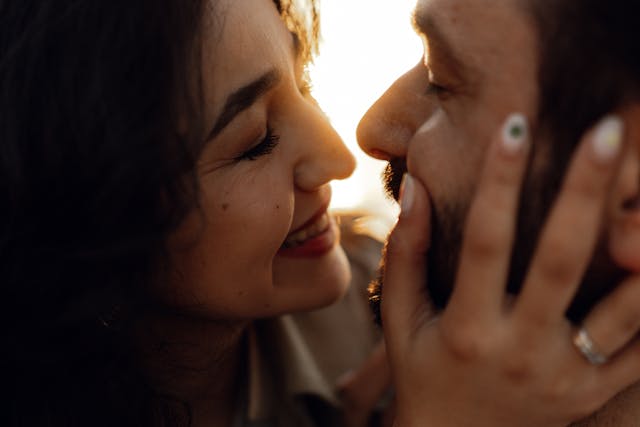
An unaffectionate partner can make you feel disconnected and start to question the relationship. But not everyone shows their love and loyalty in the same way. It’s worth getting to the root of the issue, understanding their preference for displaying love but also having your emotional needs met.
ALSO SEE: Quiet Habits That Slowly Damage Relationships
Not everyone shows their love in the same way. Some people naturally reach for hugs, compliments, and physical closeness, others display care through quieter gestures. Fixing things around the house, being dependable, or simply showing up when it matters is also valuable. But when you’re someone who craves warmth and reassurance, being in a relationship with an unaffectionate partner can feel lonely at times.
Affection vs love
The first step is understanding the difference between a lack of affection and a lack of love. Maybe they grew up in an environment where affection wasn’t openly expressed. Emotional vulnerability can feel unfamiliar or uncomfortable in adulthood in these cases. But that doesn’t automatically mean they care any less.
Communicate your emotional needs clearly
Your emotional needs matter too. If affection is important to you, suppressing those needs for the sake of ‘keeping the peace’ can silently build resentment over time. Instead of criticising your partner for what they aren’t doing, try having a calm and honest conversation about what makes you feel loved and connected. Specific examples often help: ‘I feel closer to you when we hug hello,’ lands way more gently than ‘You’re never affectionate.’
Learn to recognise their version of love
Pay attention to how your partner already expresses love. They may communicate care through acts of service, practical support, or loyalty rather than physical affection or verbal reassurance. Recognising and acknowledging these efforts can create more understanding between you both.
Healthy compromise matters
At the same time, compromise is essential. A healthy relationship shouldn’t require one person to completely abandon their emotional needs while the other remains unwilling to meet them halfway. Small changes like holding hands more often, checking in during the day, or verbalising appreciation, can make a meaningful difference.
If the disconnect continues to cause hurt, couples counselling can help create a safe space for communication. Sometimes an outside perspective helps couples better understand one another’s emotional wiring.
The bottom line
Ultimately, navigating an unaffectionate relationship is less about forcing someone to become a different person and more about figuring out whether both partners are willing to learn each other’s language of love. That middle ground is the sweet spot and it’s worth getting to.
ALSO SEE:
Featured image: Pexels