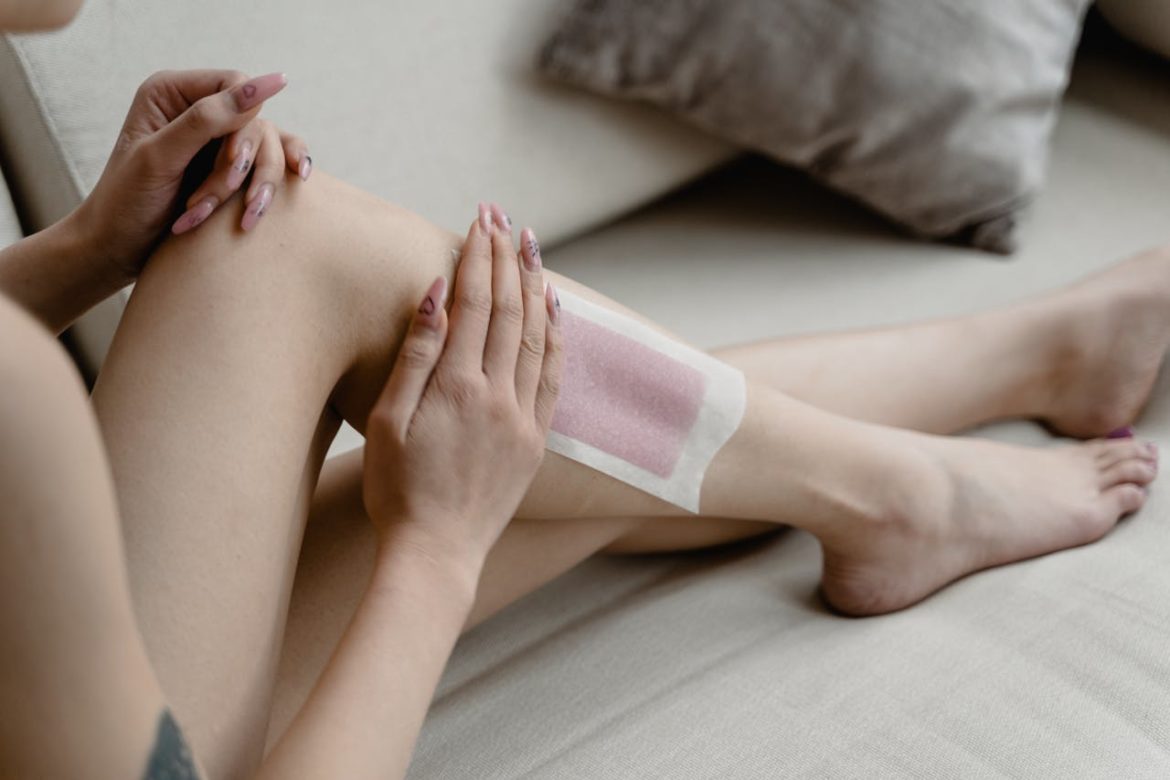
The at-home waxing kit has become a fixture in beauty aisles, and it’s easy to see the appeal. It’s faster, cheaper and more convenient than booking an appointment. But there’s a reason professional waxing exists as a skill, and the gap between the two experiences is wider than the price difference suggests.
If you’re going to wax at home, doing it safely requires more preparation than most people realise.
Understand what waxing does to skin
Waxing removes hair from the root, which means it also opens the hair follicle in the process. This leaves the skin temporarily more vulnerable to bacteria and irritation. Waxing also typically removes the top layer of dead skin cells, leaving the freshly waxed area smoother but also more sensitive to heat, sun, friction and chemical actives.
These are the reasons that aftercare matters as much as the waxing itself, and why preparation before a session significantly affects the outcome.
Start with a patch test
Before waxing a larger area, always test the wax on a small, discreet patch of skin, ideally 24 hours before your planned session. This allows you to identify any sensitivity or allergic reaction to the wax formulation before you’ve applied it to a significant area of skin. This applies even if you’ve used a particular product before, as formulations change and skin sensitivity can change with them.
Prepare your skin correctly
Skin that’s properly prepared before waxing produces better results and reduces the risk of irritation. Exfoliate gently 24 hours before waxing to remove dead skin cells and reduce the likelihood of ingrown hairs. Avoid exfoliating immediately before waxing, as this can leave the skin more sensitive.
Don’t wax immediately after showering. Allow your skin to dry and return to a normal temperature first, as the warmth from a shower can increase sensitivity and affect wax adhesion. Avoid waxing skin that has been sunburned in the past 48 hours, or skin with active breakouts, cuts or abrasions. Waxing over compromised skin significantly increases the risk of irritation, infection and skin lifting.
Avoid retinol, AHAs and BHAs for at least 48 hours before any waxing session. These actives thin the skin and make it considerably more vulnerable during the process.
Know your limits
Home waxing is reasonably safe for large, flat, easily visible areas, specifically legs, arms and underarms. These areas are accessible, relatively uniform in skin texture and easier to manage for an untrained hand.
Facial waxing, including brows, upper lip and chin, carries a higher risk at home because facial skin is thinner and more sensitive, and the margin for error is smaller. Brazilian and bikini waxing at home is particularly high-risk due to the sensitivity of the area, limited visibility and the difficulty of maintaining the correct technique without training.
Application matters
Always apply wax in the direction of hair growth and remove it in the opposite direction, with a swift, firm pull that stays close to the skin rather than pulling upward. Pulling upward or removing the wax slowly increases both pain and the likelihood of skin lifting.
Apply wax in thin, even layers. A thick application is harder to remove cleanly and increases the likelihood of bruising and residue. Never go over the same area more than twice in a single session.
Care for the skin after
Immediately after waxing, avoid heat in any form. Hot showers, saunas, direct sun and vigorous exercise should all be postponed for at least 24 hours. Sweat in freshly opened follicles increases the risk of irritation and ingrown hairs.
A gentle, fragrance-free soothing lotion applied after waxing helps calm the skin. Continue exfoliating gently every two to three days after the skin has fully calmed, to prevent ingrown hairs from developing.
When to see a professional instead
If you’re new to waxing, have sensitive or reactive skin, or are considering any area beyond legs and underarms, a professional waxing appointment is worth the investment. A trained aesthetician reads the skin in real time and adjusts technique accordingly, something a first-timer at home cannot do. For regularly waxed areas, maintaining a six-weekly appointment with a professional and doing minor maintenance at home in between is a sensible balance.
ALSO SEE:
What really happens to your body when you exercise in a fasted state?
Featured Image: Pexels