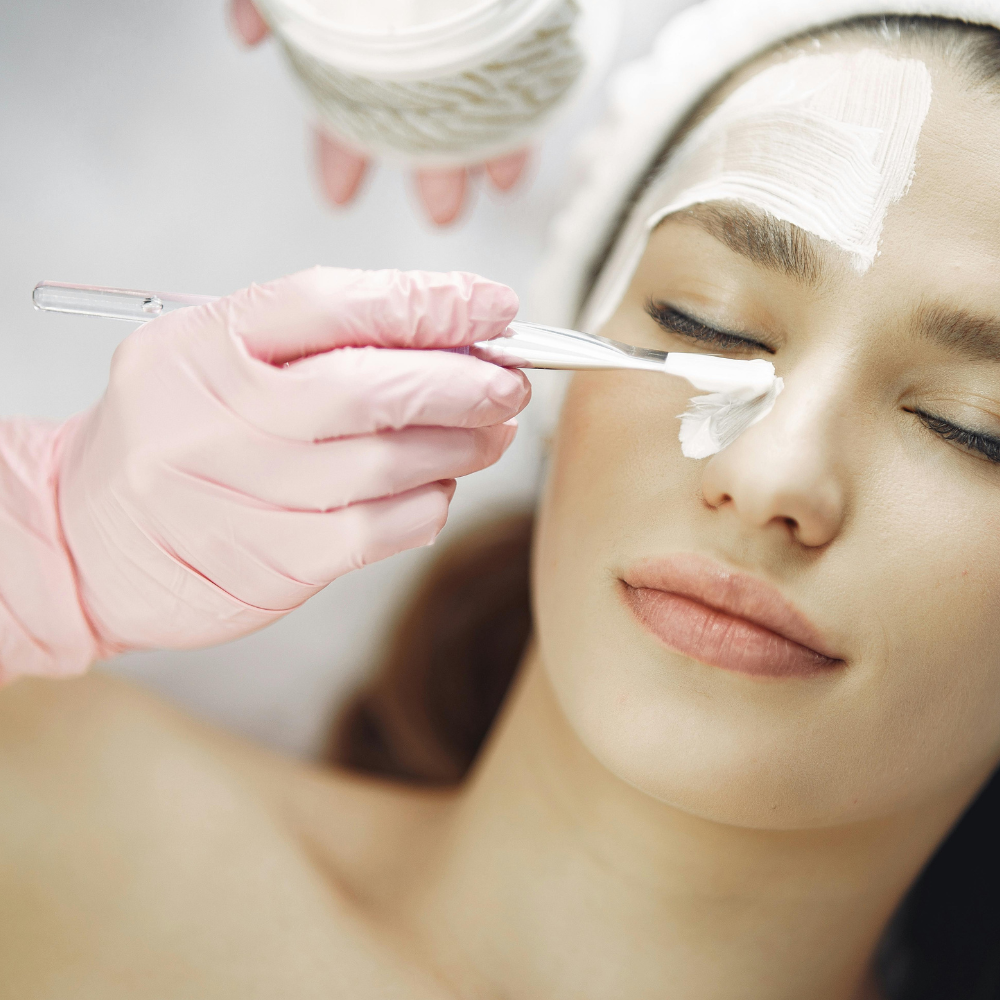
Chemical peels have remained one of the most popular professional treatments for achieving smoother, brighter and healthier-looking skin. From helping fade acne scars to improving texture and dullness, chemical peels are often praised for delivering visible results with relatively little downtime – depending on the type of peel you choose.
But while they can work wonders for the skin, chemical peels are not a one-size-fits-all treatment. Understanding how they work, their benefits, potential side effects and whether they’re suitable for your skin type is essential before booking your first appointment.
What is a chemical peel?
A chemical peel is a skin-resurfacing treatment that uses a chemical solution to exfoliate and remove damaged outer layers of skin. As the old skin peels away, new skin underneath appears smoother, clearer and more even in tone.
Chemical peels can be performed by dermatologists, licensed aestheticians or skincare professionals depending on the strength of the peel.
The different types of chemical peels
Not all chemical peels are the same. They vary in intensity, ingredients and downtime.
Superficial (light) peels
These peels target the outermost layer of skin and are ideal for beginners or those wanting a gentle refresh. Downtime is usually minimal, with light flaking or dryness. They are commonly used for:
- Mild acne
- Dullness
- Uneven texture
- Minor pigmentation
Common ingredients include:
- Glycolic acid
- Lactic acid
- Mandelic acid
Medium peels
Medium peels penetrate deeper into the skin and offer more noticeable results. Recovery can involve redness, peeling and sensitivity for several days. They are often recommended for:
- Acne scars
- Sun damage
- Fine lines
- Hyperpigmentation
Ingredients may include:
- Trichloroacetic acid (TCA)
- Stronger glycolic acid blends
Deep peels
Deep chemical peels are the most intensive and should only be performed by medical professionals. These peels require substantial recovery time and are less commonly performed today due to more advanced laser alternatives. They are typically used for:
- Deep wrinkles
- Severe sun damage
- Significant scarring
The benefits of chemical peels
Brighter, more radiant skin
One of the biggest reasons people love chemical peels is the instant glow they can provide. By removing dead skin cells, peels reveal fresher, healthier-looking skin underneath.
Improved skin texture
Chemical peels can help smooth rough or uneven skin texture, making the skin feel softer and appear more refined.
Reduced hyperpigmentation
Dark marks from acne, sun exposure or hormonal changes can gradually fade with the help of consistent peeling treatments.
Acne control
Certain peels help unclog pores, reduce excess oil and minimise acne breakouts. Salicylic acid peels, in particular, are commonly used for acne-prone skin.
Softened fine lines
Medium-depth peels can stimulate cell turnover and collagen production, helping reduce the appearance of fine lines and early signs of ageing.
Better product absorption
Once dead skin buildup is removed, skincare products often penetrate the skin more effectively.
The cons and potential risks
While chemical peels can offer incredible benefits, they also come with risks – especially when performed incorrectly or too aggressively.
Skin sensitivity
After a peel, the skin becomes more sensitive to sunlight and irritation. SPF becomes non-negotiable.
Redness and peeling
Depending on the strength of the peel, redness, dryness, flaking and visible peeling are common during recovery.
Hyperpigmentation risks
For deeper skin tones, aggressive peels can sometimes trigger post-inflammatory hyperpigmentation if not done carefully by an experienced professional.
Breakouts or purging
Some people experience temporary breakouts after a peel as congestion surfaces from beneath the skin.
Over-exfoliation
Too many peels too frequently can damage the skin barrier, leading to irritation, dehydration and inflammation.
Not suitable during certain conditions
Chemical peels may not be recommended if you:
- Are pregnant
- Have active eczema or rosacea flare-ups
- Use certain acne medications like isotretinoin
- Have open wounds or infections
What to expect during a chemical peel
The treatment itself is usually relatively quick. After cleansing the skin, the peeling solution is applied for a few minutes before being neutralised or removed.
You may experience tingling, warmth and mild stinging. Post-treatment, the skin may feel tight, dry, or sensitive for several days.
How to care for your skin after a peel
Post-peel care is just as important as the treatment itself.
Do:
- Wear SPF daily
- Keep the skin hydrated
- Use gentle skincare products
- Avoid picking peeling skin
Avoid:
- Active ingredients like retinol immediately after treatment
- Excessive sun exposure
- Harsh scrubs or exfoliants
- Intense workouts for the first 24–48 hours
Are chemical peels worth it?
For many people, chemical peels can be an effective way to improve skin clarity, texture and overall radiance without invasive procedures. However, the best results often come from consistency, realistic expectations, and choosing the right peel for your skin type and concerns.
The key is working with a qualified skincare professional who understands your skin, especially if you have sensitive or melanin-rich skin.
At the end of the day, chemical peels are not about achieving ‘perfect’ skin, but rather healthier skin that feels more confident, balanced and cared for.
ALSO SEE:
Featured Image: Pexels