In addition to healthy sleep habits like going to bed at the same time and less screen time, another factor to think about is foods that support better sleep. Certain foods contain just the right hormones that are linked to improved sleep and better quality. Find out what they are as well as which ones to avoid late at night.
ALSO SEE: The best teas for anxiety, bloating and better sleep
Stress, hormonal shifts, and poor sleep hygiene can all prevent you from drifting off to sleep. But our diet also influences the quality of sleep, even though a consistent bed routine should matter. Certain foods contain nutrients that aid the production of serotonin and melatonin, which are linked to healthy sleep cycles. However, it’s not only important to know what to eat but also when to eat it.
Fatty fish at dinner
Fish such as trout, sardines and salmon provide omega-3 fatty acids and vitamin D, which may help regulate serotonin levels. Eat at least 2 to 3 hours before bed to give your body time to digest heavy fats, and you may enjoy deeper, more restorative sleep later on.
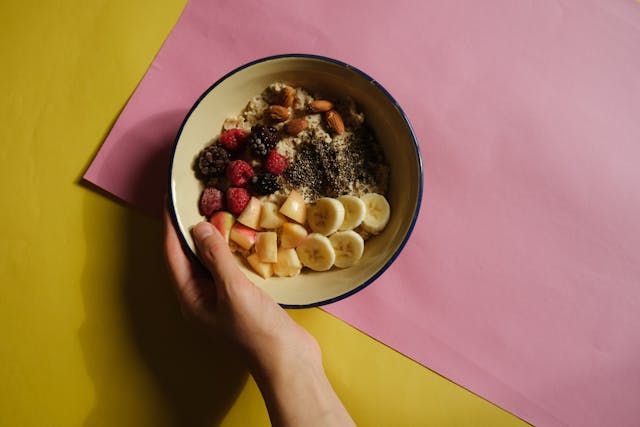
Oats at night
This may seem odd as oats is considered a breakfast food. But oats contain natural melatonin and complex carbohydrates, which give the brain a little serotonin boost. Also rich in magnesium, oats help relax muscles – all of which promote a better sleep cycle.
Nuts in the evening
Walnuts and almonds are also rich in magnesium – the former containing natural melatonin. Enjoy a handful after supper or as an evening snack. They’re perfect for preparing the body for rest without making you feel too full.
Kiwi before bed
Kiwi has become a popular sleep-support snack because it contains antioxidants and serotonin. Eating one or two an hour before bed time may help you fall asleep as well as stay asleep for longer.
Tart cherry juice in the evening
Cherry juice contain tryptophan, which is an amino acid that makes melatonin and serotonin. A small glass of cherry juice, preferably 1 to 2 hours before bed, may lead to better sleep.
Foods to avoid late at night
Just like some foods encourage sleep, others disrupt it. Avoid sugary food, heavy meals right before bed, and limit caffeine later in the day.
The bottom line
Before you reach for a sleeping tablet, there’s a lot you can do to improve sleep quality. Sleep-friendly foods work best alongside healthy habits, including reduced screen time, a regular bedtime and a calm nighttime routine.
ALSO SEE:
Featured image: Pexels