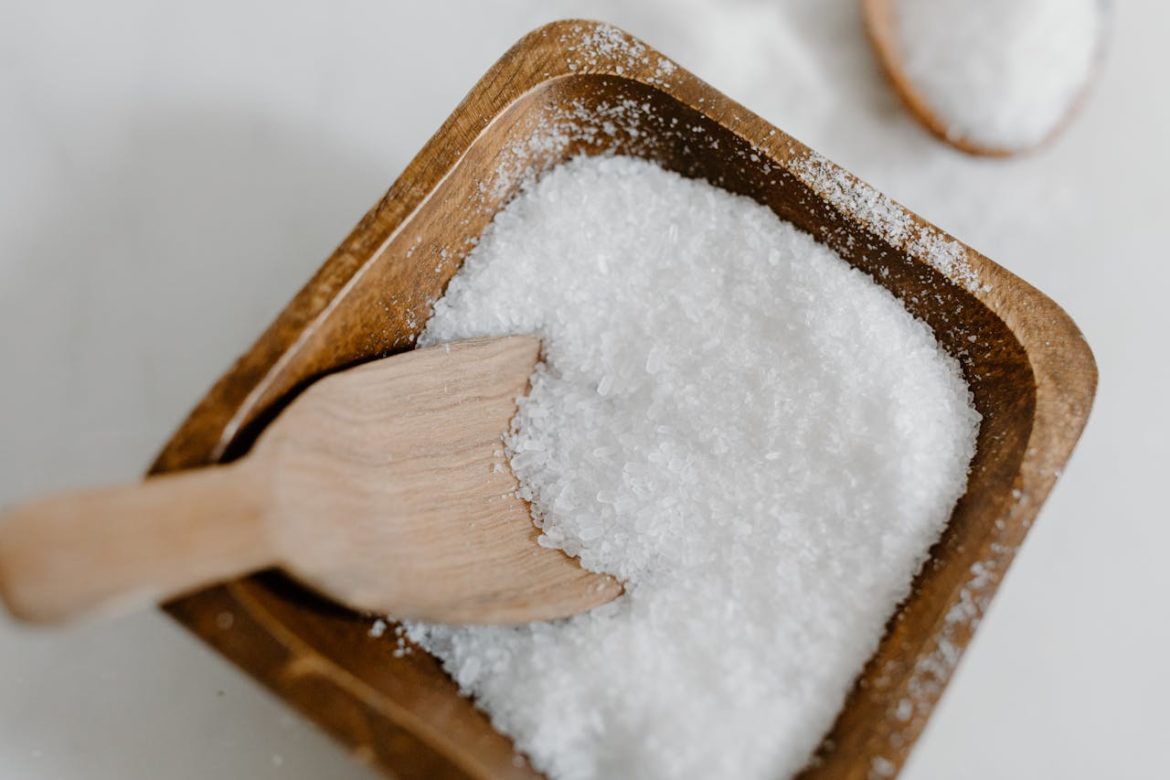
Most of us reach for the salt shaker without a second thought. But the truth is, the sodium doing the most damage to your health is likely not coming from what you add at the table. It is already in the food before you even open the packet.
World Salt Awareness Week, observed from 12 to 18 May, is a timely reminder that hidden sodium is one of the most underestimated health concerns in everyday eating. Understanding where it lurks and what it does to your body is the first step towards making smarter choices.
Why salt is such a concern
Salt, or sodium chloride, is not inherently harmful. It plays a necessary role in regulating fluid balance, transmitting nerve signals, and supporting muscle function. The problem is volume. Most South Africans consume well above the recommended daily limit, largely because processed and packaged foods rely so heavily on sodium both as a flavour enhancer and a preservative.
Over time, a high-sodium diet places sustained pressure on the cardiovascular system. Excess sodium in the bloodstream causes the body to retain water in order to dilute the concentration, which in turn raises blood volume and pushes up blood pressure. Hypertension, as it is clinically known, is often called a silent condition because it rarely produces obvious symptoms in its early stages. Yet it is one of the leading drivers of heart disease, stroke, and kidney damage.
The everyday foods with surprising salt levels
The foods most commonly associated with high salt, such as chips and crisps, are obvious offenders. But several other everyday staples are quietly adding to your daily intake in ways that are easy to miss.
Bread is one of the biggest culprits. Because it is eaten at multiple points throughout the day, the sodium content accumulates quickly, even though no single slice tastes particularly salty. Breakfast cereals present a similar issue. Many varieties marketed as nutritious options contain added sodium, which contributes to total daily intake before the morning is even over.
Processed meats, including sausages, polony, bacon, and deli cuts, are preserved and flavoured with significant amounts of salt. Ready-made meals, instant noodles, and packaged pasta sauces are similarly high, often containing a large portion of your recommended daily sodium in a single serving.
Sauces and condiments are another area worth watching. Tomato sauce, soy sauce, salad dressings, and chutneys can contain surprisingly large amounts of sodium, and because they are typically added on top of an already seasoned meal, the contribution is easy to overlook.
Signs your sodium intake may be too high
Because so much dietary salt is invisible, it can be genuinely difficult to gauge how much you are consuming. Some physical signals worth paying attention to include persistent thirst, bloating or water retention, frequent headaches, elevated blood pressure readings, and ongoing fatigue. None of these symptoms are definitive on their own, but in combination they may suggest your sodium intake is higher than it should be.
Practical ways to reduce your salt intake
Cutting back on salt does not require a dramatic dietary overhaul. A few consistent habits can make a meaningful difference over time.
Reading food labels is one of the simplest and most effective tools available. Checking the sodium content on packaged goods before buying allows you to compare options and avoid products with unnecessarily high levels. Cooking at home more often is equally valuable, as it gives you direct control over what goes into your meals. When seasoning is needed, herbs, garlic, lemon juice, and spices can provide depth of flavour without the sodium load.
Reducing reliance on convenience foods, including ready-made meals, processed meats, and packaged snacks, can lower your intake considerably. Wherever possible, fresh produce, whole grains, and lean proteins are naturally lower in sodium and a better foundation for everyday eating.
Starting healthy habits early
Building awareness around salt is not only relevant for adults. Children who grow up eating high-sodium diets are more likely to carry those habits into adulthood, along with the associated health risks. Offering balanced meals, limiting salty snacks, and involving children in cooking from a young age are all practical ways to support healthier long-term patterns. When kids understand what goes into their food and why it matters, those lessons tend to stick.
Small changes, meaningful results
Dietary awareness does not need to be complicated. Becoming more conscious of where sodium hides in everyday foods, and making incremental adjustments in response, is one of the most accessible ways to protect your heart health over the long term. The goal is not perfection, it is consistency.
This article was produced in partnership with Affinity Health, a leading provider of high-quality health cover in South Africa. Affinity Health members have access to 24/7 telehealth GP consultations, unlimited managed visits to a Medical Society, and a broad network of healthcare providers nationwide.
ALSO SEE:
Featured Image: