There is a quality that distinguishes great winter hair colour from merely correct winter hair colour, and it is how the shade interacts with what you are wearing. In summer, hair works against a backdrop of lighter clothing, bare skin and natural light. In winter, it is framed almost entirely by darker fabrics: charcoal, navy, camel, deep burgundy, heavy black. The hair colours that look most striking in this context are the ones that create visible contrast or complement rather than disappearing into the background.
The 2026 winter palette in hair is moving decisively away from flat, single-note colour towards dimensional, multi-tonal shades with specific qualities: rich, high-shine, natural-looking. The most sought-after effect is what colour specialists are calling expensive-looking, which in practice means a shade with enough depth and movement that it reads as genuinely luxurious rather than processed. Here is what that looks like across the colour spectrum.
Wine red and berry tones
Wine red is the clear consensus choice among professional colourists for winter 2026. It is a statement shade in the best possible sense: dramatic enough to register, sophisticated enough to wear everywhere. The tones that are most wearable are those with plum or berry undertones rather than bright copper or orange-red — cooler, blue-tinted reds that shift in different lighting conditions from deep burgundy to rich cherry. Against a navy or charcoal coat, wine red hair creates a contrast that looks deliberate and polished. Against black, it adds warmth without competing.
Cherry cola, which blends burgundy and purple undertones, is a softer approach to the same territory. It suits a wider range of skin tones because the purple undertones can be adjusted, and the grow-out tends to be softer and less demanding than a straight red. Both shades require a commitment to maintenance: sulphate-free shampoo, colour-safe products and regular glossing every four to six weeks to maintain vibrancy.
Cashmere brunette and rich warm brown
For brunettes, the direction in 2026 is warmth and dimension rather than the cool ash and charcoal browns that dominated recent years. Cashmere brunette, characterised by warm cocoa tones with subtle beige or honey reflects and exceptional shine, is the defining shade of the season. It works particularly well against the winter neutral palette because it adds warmth at face level, creating the same effect as a warm light source. Against pale or nude clothing it provides a rich anchor; against dark clothing the shine becomes the point.
The key is avoiding flat, uniform colour. The browns that read as expensive in 2026 have movement and depth: a slightly darker root melting into richer mid-lengths and ends, or face-framing pieces that lighten slightly around the hairline. The goal is hair that looks dimensional, not dyed.
Soft glossy black
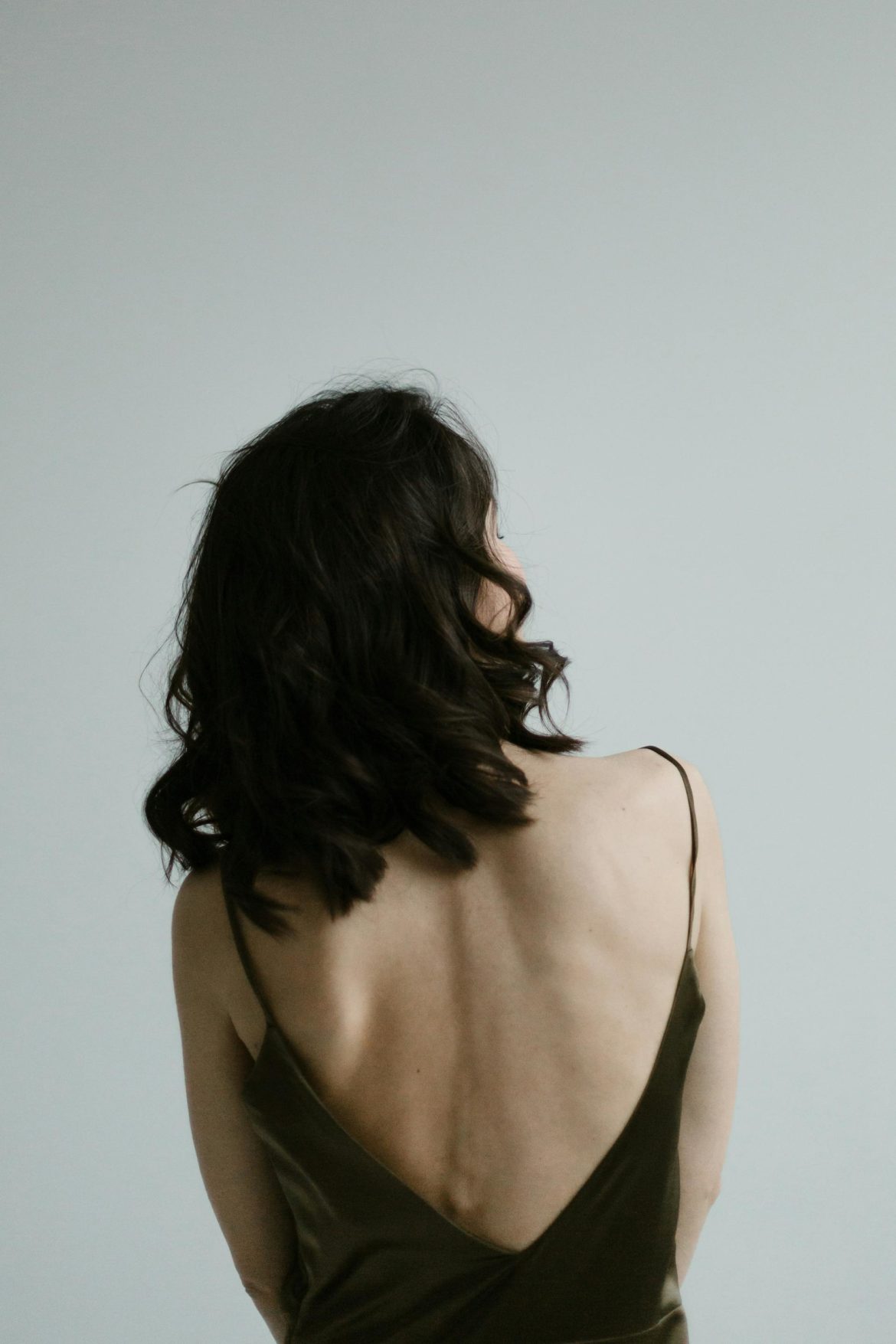
Black is being reconsidered in 2026. The flat, heavily pigmented black of previous seasons is being replaced by something softer: a deep, glossy near-black with cool brown or subtle blue undertones that gives the colour a three-dimensional quality rather than a solid, impenetrable one. This shade is particularly powerful in winter because it creates maximum contrast with lighter complexions and maximum drama against winter clothing in any colour. It also provides the easiest maintenance of any dark shade: regrowth is soft and the colour holds well between appointments.
Dimensional blonde for winter
Blondes going into winter are moving away from the stark, high-contrast highlights of summer towards something deeper and more blended. Iced chestnut blonde, which sits between warm blonde and light brown with a creamy, slightly cool finish, provides winter-appropriate depth without requiring a dramatic colour change. Bronde tones, blending brunette depth with warmer golden undertones, are the most practical winter option for natural blondes who want to deepen slightly: the grow-out is effortless and the warmth flatters most complexions in winter light.
The finish matters as much as the shade
The quality that separates winter hair colour that looks expensive from colour that merely looks different is shine. Dull, porous hair absorbs colour but does not reflect light, which means even a beautiful shade reads flat. A gloss treatment, whether in-salon or at home with a colour-depositing gloss, applied regularly between colour appointments transforms the quality of any shade. It is the final step most people skip and the most visible difference between hair that photographs well and hair that looks genuinely luxurious in person.
ALSO SEE:
Featured Image: Pexels