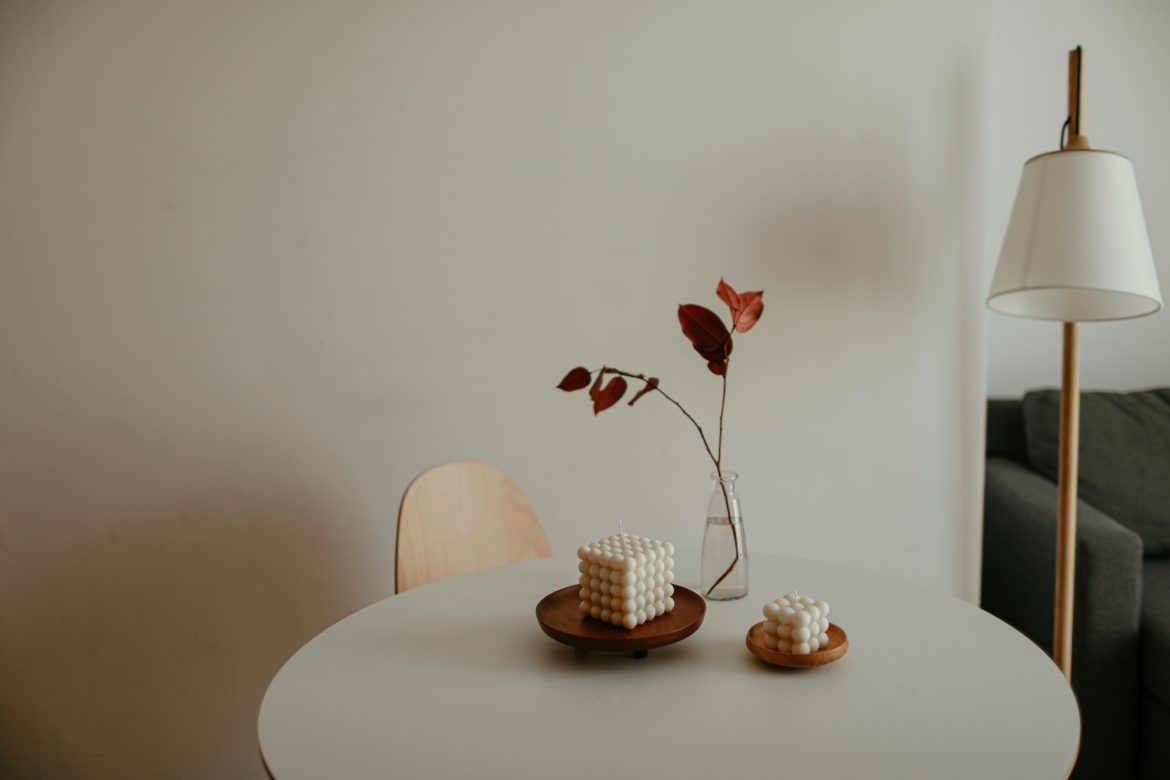
There’s a quiet shift happening in interiors, one that moves away from both stark minimalism and overly styled spaces. Warm minimalism sits comfortably in between, offering a home that feels intentional, lived-in, and deeply comforting without the visual noise.
It’s not about having less for the sake of it, it’s about choosing better, softer, and more meaningful pieces that create a sense of calm. In a world that often feels overstimulating, your home should feel like an exhale.
What is warm minimalism, really?
Warm minimalism takes the clean foundation of minimal design – think uncluttered surfaces, neutral palettes, and functional pieces and softens it. It introduces warmth through texture, tone, and subtle personality. Where traditional minimalism can sometimes feel cold or impersonal, this approach invites you to stay a little longer.
It’s the difference between a space that looks good and one that feels good.
Start with a soft, neutral base
The key to warm minimalism is a calming colour palette, but that doesn’t mean everything has to be white or beige. Instead, lean into warm-toned neutrals – creamy whites, soft taupes, muted browns, and gentle greys.
These shades create a cocoon-like effect, especially in colder months, and serve as the perfect backdrop for layering without overwhelming the space. The goal is cohesion, not contrast.
Texture is your best friend
If you remove excess decor, texture becomes the thing that carries the room. Think linen curtains that move with the breeze, a chunky knit throw draped over a chair, or a slightly imperfect ceramic vase on a table.
Natural materials work beautifully here – wood, cotton, wool, stone. They add depth and interest without demanding attention. A room can feel incredibly rich without being visually busy simply by layering different textures in similar tones.
Choose fewer pieces, but make them matter
Warm minimalism isn’t about empty spaces, it’s about edited ones. Instead of filling every surface, choose a few pieces that feel intentional. A sculptural lamp, a stack of books you actually read, or a single piece of art that resonates with you will have far more impact than multiple decorative items competing for attention.
Ask yourself – does this add to the feeling of the space, or just fill it?
Let lighting set the mood
Lighting is often overlooked, but it’s one of the most powerful tools for creating warmth. Swap harsh overhead lighting for softer, layered options—table lamps, floor lamps, and warm-toned bulbs.
In the evenings, your space should feel ambient and inviting, not overly bright. A softly lit corner can completely transform how a room feels, making it instantly more intimate and restful.
Bring nature indoors (Subtly)
You don’t need a jungle of plants to make a space feel alive. One or two well-placed plants, a bowl of seasonal fruit, or even fresh branches in a vase can add an organic softness.
The idea is to echo nature, not overwhelm your space with it. Even small, thoughtful touches can ground a room and make it feel more connected and calm.
Embrace negative space
One of the most underrated elements of warm minimalism is what you don’t add. Empty space allows your chosen pieces to breathe and be appreciated. It also creates a sense of calm that clutter simply can’t coexist with.
Resist the urge to fill every gap. Sometimes, the most luxurious thing a room can have is space.
Keep it personal, not perfect
A cosy space isn’t about perfection , it’s about presence. Leave room for the things that make your home feel like yours: a candle you light every evening, a worn-in chair you love, or a small collection of meaningful objects.
Warm minimalism works best when it reflects your life, not just a trend. It should feel effortless, not staged.
The feeling you’re creating
At its core, warm minimalism is about how you want to feel in your space. Calm. Grounded. Comfortable. It’s a gentle reminder that you don’t need more to feel at home – you just need the right things, placed with intention.
Because cosiness isn’t created through excess. It’s created through care.
ALSO SEE:
Featured Image: Pexels