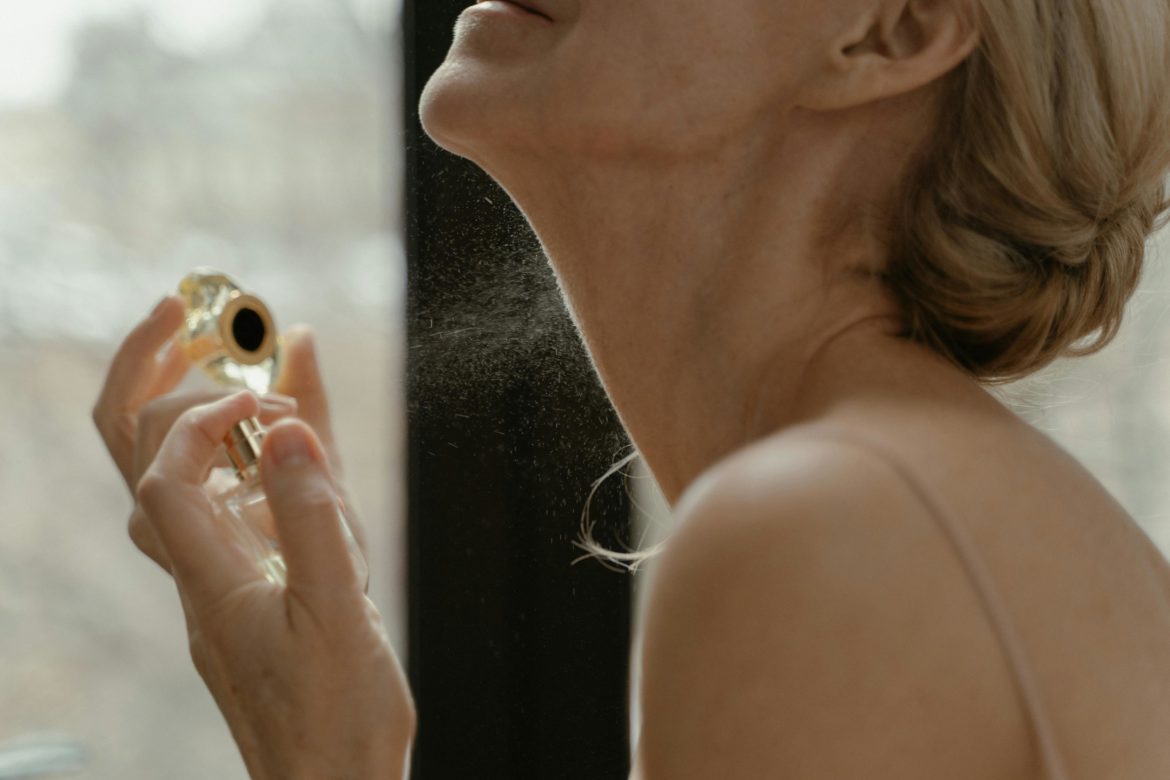
One subtle shift that often goes unnoticed when the seasons shift is how our relationship with fragrance evolves during colder months. Scent is deeply tied to emotion, memory, and even physical comfort.
During the colder months, when the world feels quieter and sometimes heavier, fragrance becomes more than just a finishing touch — it becomes a mood-setting ritual.
The emotional power of scent in winter
When its colder, it’s common to feel a dip in energy or motivation. Less sunlight, more time indoors, and slower days can affect your mood in ways you don’t always consciously notice. This is where fragrance steps in.
Warm, rich scents have a grounding effect. Notes like vanilla, amber, sandalwood, musk, and spice create a sense of comfort and calm. They mimic warmth — almost like wrapping yourself in a soft blanket.
These fragrances can create a feeling of emotional warmth on cold days, help you feel more put-together, even when you’re bundled up, offer a sense of stability and calm when routines feel slower and trigger nostalgic, comforting memories.
A deeper scent doesn’t just sit on your skin — it lingers, creating a cocoon-like effect that feels especially comforting when the outside world feels cold and distant.
Why your fragrance preferences change in winter
The shift from summer to winter fragrances isn’t random, it’s both emotional and practical.
In warmer weather, heat amplifies scent. Light, fresh fragrances – think citrus, florals, and aquatic notes – feel refreshing and clean. They complement sun-warmed skin and the brightness of longer days.
But in winter, your skin is cooler and the air is drier. This means lighter fragrances tend to fade more quickly, fresh scents can feel sharp or underwhelming in cold air and you naturally gravitate toward stronger, longer-lasting notes.
Richer fragrances perform better in winter because they last longer on the skin, project more softly in cold air without becoming overwhelming and feel more aligned with layered clothing and cozy textures.
It’s not just about scent preference – it’s about how fragrance interacts with your environment.
The comfort of “heavier” scents
Winter fragrances are often described as “heavier,” but that weight is exactly what makes them so comforting.
Think:
- Creamy vanilla that feels soft and soothing
- Woody notes that feel grounding and stable
- Spicy accords that add warmth and depth
- Resinous scents like amber that linger beautifully
These scents create a sense of intimacy. They sit closer to the skin and feel personal – almost like a quiet form of self-care rather than a bold statement.
Fragrance as a daily mood ritual
In colder months, when motivation can feel low, small rituals matter more than ever. Applying fragrance becomes one of those quiet acts that can shift your entire mindset.
Instead of rushing through it, try turning it into a moment like applying fragrance after moisturizing to help it last longer, choosing a scent based on how you want to feel, not just how you want to smell and reapplying during the day as a reset, especially in long indoor stretches.
A warm scent in the middle of a cold day can feel like a gentle reminder to slow down, breathe, and reconnect with yourself.
Why you switch back
When winter fades and the days begin to open up again, your mood naturally lifts — your fragrance preferences follows.
You start craving lightness instead of depth, freshness instead of warmth and energy instead of comfort.
Summer fragrances reflect this shift. Citrus, green notes, and airy florals feel alive, bright, and effortless. They mirror the return of sunlight, social energy, and spontaneity.
It’s less about abandoning winter scents and more about evolving with the season. Your fragrance wardrobe becomes a reflection of your internal state — what you need, what you’re drawn to, and how you want to feel.
Fragrance is one of the simplest yet most powerful ways to influence your mood. When everything slows down, leaning into warmer, richer scents can bring a sense of comfort and grounding that goes beyond the surface.
Because sometimes, the smallest changes – like the scent you wear – can make the biggest difference in how you feel.
ALSO SEE:
Featured Image: Pexels