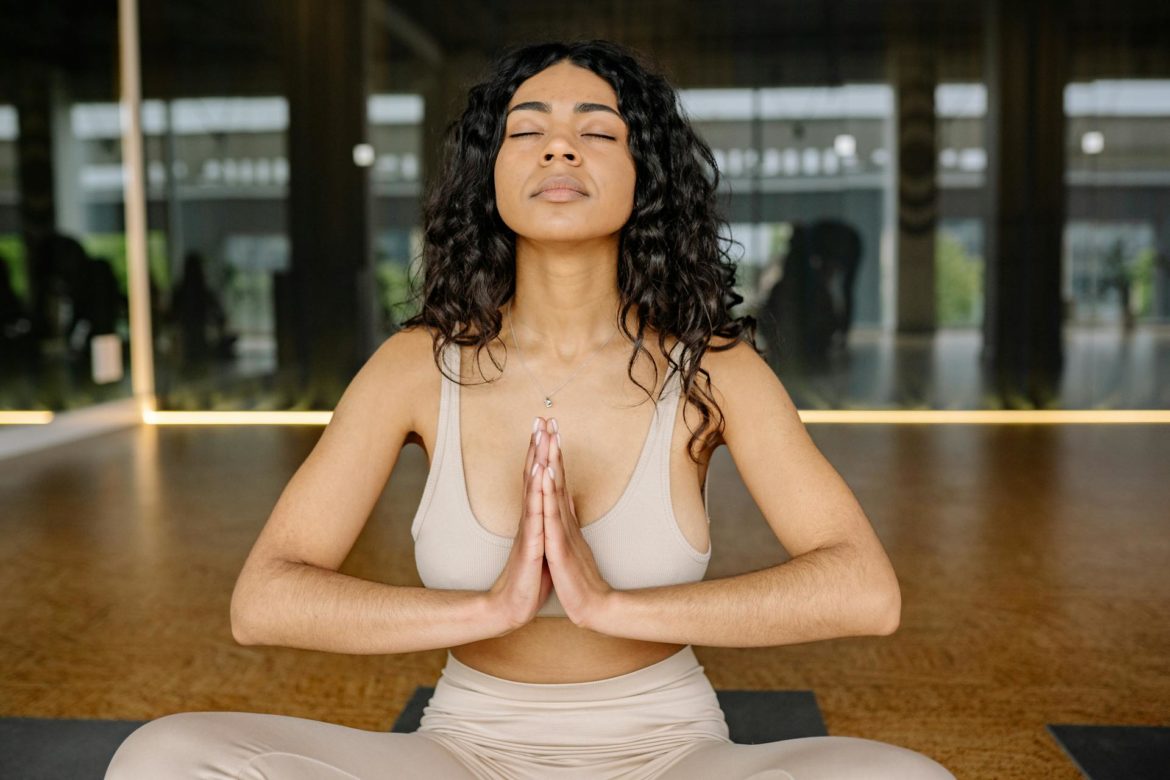
You already know how to breathe. You have been doing it since the moment you were born, without thinking, approximately sixteen times a minute for your entire life. The question that has occupied researchers over the past decade is whether paying attention to that process, and deliberately changing it, can meaningfully improve your mental state. The evidence is accumulating, and it is surprisingly strong.
Breathwork, the deliberate practice of consciously regulating your breathing, has shown consistent benefits for stress reduction, anxiety management, mood improvement and emotional regulation across multiple randomised controlled trials. A Stanford study found that just five minutes of daily breathwork produced measurable improvements in mood and reductions in anxiety, in some cases outperforming an equivalent period of mindfulness meditation. A 2025 comprehensive review in the journal Stress and Health found that regular breathwork builds both psychological and physiological resilience over time. The mechanism is not complicated: your breath is one of the only autonomic bodily functions you can consciously control, and by changing it, you directly influence your nervous system’s stress response.
Why it works
The key pathway is the relationship between breathing and the autonomic nervous system, specifically the shift between the sympathetic nervous system, which governs the stress response, and the parasympathetic nervous system, which governs rest and recovery. Slow, deep, extended exhalation activates the parasympathetic system via the vagus nerve, producing measurable reductions in heart rate, blood pressure and cortisol levels. Rapid, shallow breathing does the opposite.
Most people under chronic stress develop habitual breathing patterns that are shallow and chest-focused, which keeps the nervous system in a low-level state of alert even during periods of rest. Deliberate breathwork interrupts this pattern and gives the body an explicit physiological signal that it is safe to relax. The effect is immediate, and with regular practice it becomes easier to access.
The techniques worth knowing
Box breathing is the most widely used technique for stress and anxiety management and the easiest to remember under pressure. Inhale for four counts, hold for four counts, exhale for four counts, hold for four counts. Repeat for four to six cycles. The four equal sides of the box structure create a rhythmic, predictable pattern that interrupts anxious thought cycles and gives the nervous system something consistent to follow. It is used by elite athletes, military personnel and surgeons precisely because it works quickly even under high-stress conditions.
The 4-7-8 technique is specifically useful for moments of acute anxiety or for winding down before sleep. Inhale for four counts, hold for seven counts, exhale for eight counts. The extended exhalation is the critical element: making the out-breath longer than the in-breath stimulates the vagus nerve and activates the parasympathetic nervous system more effectively than equal-ratio breathing. Three to four cycles of this technique before bed have been shown to reduce the time it takes to fall asleep and improve sleep quality.
Cyclic sighing, which involves a double inhale through the nose followed by a long, slow exhale through the mouth, was identified in a Stanford study as the single most effective daily breathwork practice for improving mood. The double inhale fully inflates the lungs, including the air sacs that are typically underused in normal breathing, and the extended exhale maximises the parasympathetic effect. A single five-minute session of cyclic sighing consistently produced the highest daily improvements in positive affect across all the breathing techniques studied.
Diaphragmatic or belly breathing is the foundational practice that improves the quality of all other techniques. Place one hand on the chest and one on the abdomen. On the inhale, the abdomen should rise while the chest stays relatively still. This engages the diaphragm fully and produces deeper, more efficient oxygen exchange than the chest-only breathing most people default to under stress. Practising this for a few minutes a day builds a new baseline breathing habit over time.
Building a daily practice
The research is detailed that consistency matters more than intensity or duration. Five minutes of deliberate breathwork every day produces more benefit over time than an occasional thirty-minute session. The most effective approach is to attach breathwork to an existing habit: the first thing in the morning before you get up, immediately after getting into the car, during the first five minutes of your lunch break, or as part of a wind-down routine before sleep.
You do not need an app, a class or any equipment. The most useful tool is simply the decision to stop and pay attention to your breath for a few minutes at a specific point each day. Start with one technique, practice it consistently for two weeks, and then decide whether to expand the practice. The barrier to entry is genuinely as low as it sounds.
Who should be cautious
For most people, daily breathwork is completely safe. More intensive practices, such as holotropic breathwork or extended hyperventilation-based techniques, carry greater risks and should not be approached without guidance, particularly for anyone with asthma, cardiovascular conditions, epilepsy or a history of trauma. If any technique causes dizziness, tingling or significant discomfort, stop and breathe normally. The gentler techniques described above, box breathing, 4-7-8 and diaphragmatic breathing, are appropriate for general well-being without these concerns for most healthy adults.
ALSO SEE:
Featured Image: Pexels