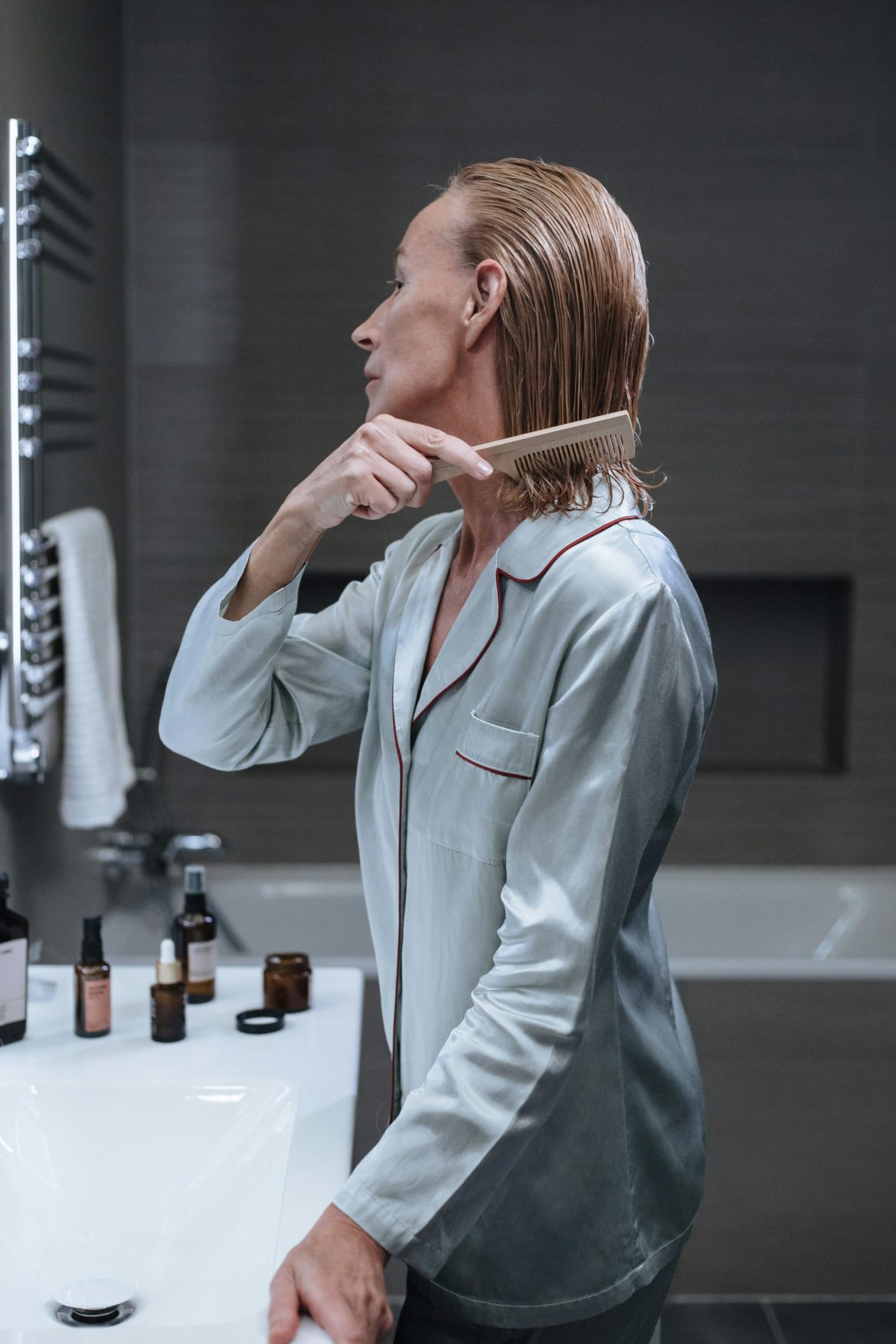
Your wardrobe isn’t the only thing that changes as the temperature begins to drop — your hair does too. If your strands suddenly feel brittle, dull, or harder to manage, you’re not imagining it. Colder weather has a real impact on your hair’s health, and understanding why can help you protect it without overcomplicating your routine.
Why your hair feels drier in winter
Cold air lacks moisture
Winter air is naturally drier, meaning there’s less humidity to help your hair retain moisture. Hair thrives in balanced humidity, so when the air is dry, your strands lose hydration more quickly — leaving them rough and prone to breakage.
Indoor heating makes it worse
While heaters make your space feel cozy, they strip even more moisture from the air. This creates a double effect: dry outdoor air followed by artificially dry indoor environments, both pulling hydration from your hair and scalp.
Hot showers strip natural oils
Long, hot showers feel like a necessity in winter, but they can remove your scalp’s natural oils — the very thing that keeps your hair soft and protected. Without these oils, hair becomes more fragile and dehydrated.
Friction from winter clothing
Scarves, coats, and knitwear can create friction against your hair, especially around the ends. This leads to tangling, breakage, and that familiar staticky texture.
Reduced scalp oil production
In colder weather, your scalp may produce less sebum (your natural oil), which means your hair isn’t getting the same level of nourishment as it would in warmer months.
How to prevent dry winter hair
Focus on moisture, not just products
Hydration is the goal. Swap lightweight conditioners for richer, more nourishing formulas during winter. Look for ingredients like shea butter, argan oil, and glycerin to help lock in moisture.
Lower the temperature
Try washing your hair with lukewarm water instead of hot. It helps preserve your natural oils while still keeping your routine comfortable.
Deep condition weekly
A weekly hair mask can make a noticeable difference. Think of it as restoring what winter takes away — softness, shine, and elasticity.
Use leave-in products
Leave-in conditioners or lightweight oils act as a barrier against dry air. They help seal the hair cuticle and prevent moisture loss throughout the day.
Protect your hair from friction
Opt for silk or satin linings under hats and scarves, or tie your hair in a loose braid to reduce rubbing against fabrics.
Don’t skip your scalp
A dry scalp often leads to dry hair. Gentle scalp oils or hydrating treatments can help maintain balance and prevent flaking or irritation.
Trim regularly
Dry ends split faster in winter. Regular trims keep your hair looking healthy and prevent damage from traveling up the strand.
Think of winter hair care less as a complete overhaul and more as a gentle adjustment — one that supports your hair the same way you support your skin and body during colder months.
ALSO SEE:
Gua sha vs face roller: what actually works, according to science
Featured Image: Pexels