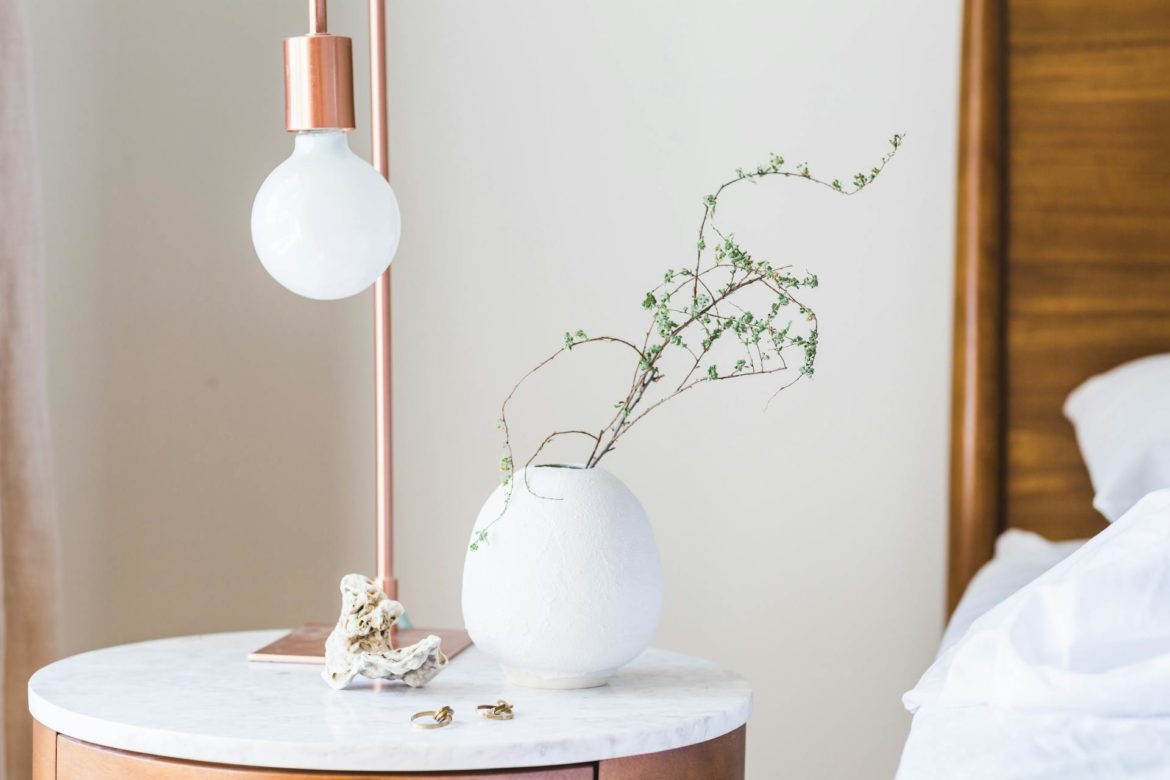
There is a particular quality to a home in the height of summer: the light is generous, everything feels open and unencumbered, and the connection between indoors and outdoors is easy and natural. Then the season begins to shift. The evenings come earlier, the garden quietens, and without any conscious decision having been made, rooms start to feel different.
The instinct in autumn is to retreat into weight and warmth, and there is beauty in that. But it does not have to mean abandoning the brightness and lightness of the warmer months entirely. With a few thoughtful adjustments, a home can hold onto the energy of summer while adapting gracefully to the season changing around it.
Keep colour light and alive
The colours that feel most at home in the warmer months, soft greens, warm creams, gentle yellows and pale blues, do not have to disappear when the weather turns. What changes is how they are used rather than whether they are present at all.
In autumn, these lighter tones work best when they are layered with a small number of richer accents rather than standing entirely on their own. A pale sage cushion alongside a deeper terracotta, a warm cream throw with a single deep teal pillow, a clear glass vase holding the last of the garden dahlias against a pale wall. The base palette stays light and the season’s natural depth is introduced through specific, considered touches rather than a wholesale palette change. The result is a room that feels seasonally aware without feeling like it has been stripped of everything that made it feel alive through summer.
Bring the outdoors in before the garden goes to sleep
One of the things that makes summer homes feel so connected and vibrant is their relationship to what is happening outside. In South Africa, autumn is not a shutting down of the garden but a transition: the light changes, certain flowers finish, and others, including salvias, cosmos and many dahlias, are still going strong through April and May.
Cutting flowers and foliage from the garden and bringing them inside is one of the most immediate ways to keep summer’s energy alive indoors. A loose arrangement of whatever is still flowering, placed somewhere that catches the morning light, does more for the atmosphere of a room than almost any purchased item. Foliage alone, branches, grasses, seedheads, works just as well: it introduces organic texture and a direct reference to the season outside without requiring the formality of a proper arrangement.
Let light in as much as possible
The shortening days mean that the light you do have is more precious, and the way a home manages that light becomes more important. As autumn progresses, it is worth reassessing whether heavy or opaque window treatments are working against the room’s access to natural light. In rooms where privacy is not a priority, lightweight sheers or unlined curtains allow the lower-angle autumn light to travel further into the space than heavier panels would.
Mirrors are among the most effective tools for amplifying natural light in darker months. A well-placed mirror opposite or adjacent to a window bounces light back into the room and creates the impression of greater luminosity and space. This effect is particularly useful in rooms with south-facing or east-facing windows where the light is cooler and more directional than the generous north-facing warmth of summer.
Swap texture rather than completely overhauling
A full seasonal redecoration is rarely necessary or particularly sensible. What most rooms benefit from is a targeted swap of a few key textural elements that shifts the feel without changing the underlying palette or furniture.
In summer, lighter fabrics do the work: linen, cotton, loose weaves, open textures. As the air cools, replacing just a few of these with slightly more substantial alternatives, a chunky cotton-knit throw where the linen one was, velvet cushions in place of lighter covers, a wool-blend rug layered over a sisal or flatweave one, creates the sense of seasonal warmth without the full commitment of a new colour scheme. The key is subtlety: the aim is to feel the shift without announcing it, to walk into the room and find it slightly cosier and more enveloping than it was, but recognisably the same space.
Use warm light intentionally
One of the simplest and most effective ways to hold onto summer warmth as the evenings draw in is to become more deliberate about artificial lighting. Overhead ceiling lights produce a flat, institutional quality of illumination that works against the atmosphere of most rooms in the evening. Lamps, candlelight and smaller directional light sources create warmth, pools of light, and shadow, all of which make a room feel intimate and alive in a way that an overhead fitting simply cannot.
Adding a lamp in a corner that was previously unlit, placing a few candles on a surface that is visible from a seating area, or switching the bulbs in existing lamps to a warmer Kelvin temperature: these are small changes that have a disproportionate effect on how a room feels after sunset. The evenings becoming longer is one of autumn’s best features for home life if the lighting is set up to make the most of them.
ALSO SEE:
Vintage decor touches that make your home feel lived-in (Not cluttered)
Featured Image: Pexels