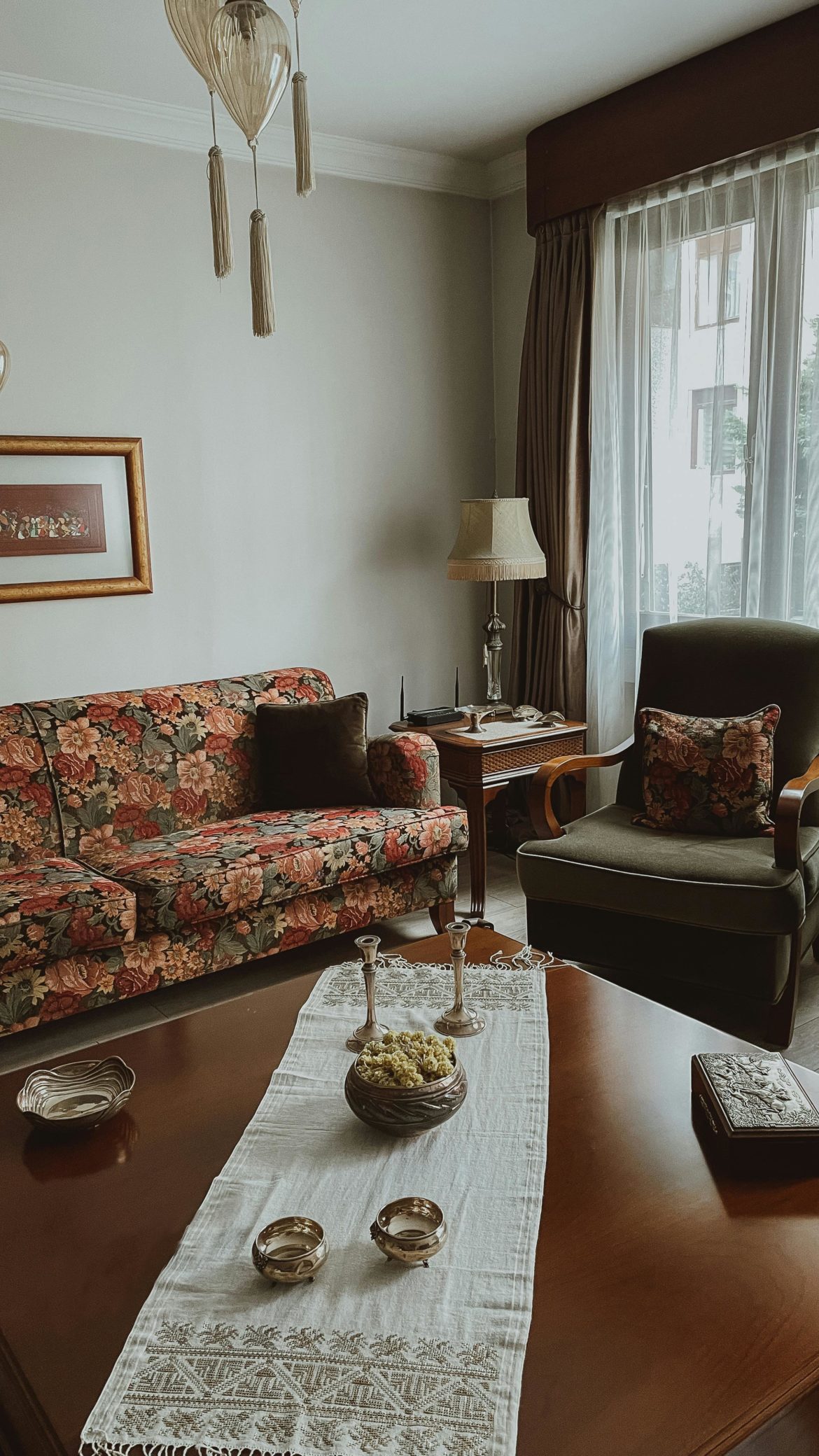
There’s a fine line between a home that feels beautifully lived-in and one that feels overwhelmed by “stuff.” Vintage décor, when styled intentionally, has the power to add warmth, character, and a sense of story to your space without tipping into clutter.
The secret? It’s less about how much you have, and more about how you curate and layer it.
Here’s how to bring in vintage touches that feel considered, elevated, and effortlessly lived-in.
Choose pieces with presence, not quantity
One of the biggest mistakes people make with vintage décor is over-collecting. Instead of filling every surface, focus on a few standout pieces that anchor a room.
Think:
- A worn wooden coffee table with patina
- An antique mirror with subtle foxing
- A vintage armchair upholstered in a textured fabric
These pieces naturally draw the eye and tell a story, so you don’t need much else around them.
Style tip: Let each piece “breathe.” Negative space is what keeps a room feeling calm rather than crowded.
Mix vintage with modern foundations
A home that feels lived-in (but not dated) is all about contrast. Pairing vintage elements with clean, modern basics creates balance.
For example:
- A sleek, neutral sofa layered with a vintage kilim cushion
- Minimal shelving styled with aged ceramics
- Contemporary lighting paired with a rustic wooden console
This blend prevents your space from feeling like a time capsule and keeps everything feeling fresh and intentional.
Stick to a cohesive colour palette
Vintage pieces often come with a variety of tones, finishes, and textures. Without a unifying palette, things can quickly feel chaotic.
Choose 2–4 core colours and let that guide your selections:
- Warm neutrals (cream, taupe, soft brown)
- Muted greens or dusty blues
- Accents of brass or aged gold
When everything sits within a similar tonal family, even eclectic pieces feel curated rather than cluttered.
Layer textures, not objects
A lived-in home isn’t about how many items you display – it’s about how it feels.
Instead of adding more décor, focus on tactile layers:
- Linen curtains that soften the light
- A wool or jute rug underfoot
- Leather accents that age beautifully over time
- Ceramic or stoneware pieces with subtle imperfections
Texture creates depth and warmth without adding visual noise.
Style in small, intentional vignettes
Rather than scattering vintage items across every surface, group them into thoughtful moments.
Try:
- A stack of old books topped with a small lamp
- A tray with a candle, a vintage bowl, and a single decorative object
- A bedside table styled with just two or three meaningful pieces
Odd numbers tend to feel more natural, and grouping items together keeps surfaces looking clean.
Let imperfection be the statement
The beauty of vintage lies in its imperfections – scratches, patina, faded finishes. These details add authenticity and soul.
Resist the urge to “perfect” everything. A slightly worn edge or an uneven glaze can make a space feel more relaxed and real.
Think of it as quiet luxury – pieces that have lived a life before they arrived in your home.
Edit regularly
A curated home evolves. As you collect new pieces, it’s important to reassess what still feels right.
Every few months:
- Remove anything that feels excessive
- Rotate items seasonally
- Keep only what adds value to the space
Editing is what keeps vintage styling from turning into clutter over time.
Incorporate functional vintage finds
One of the easiest ways to avoid clutter is to choose vintage items that serve a purpose.
Consider:
- A vintage trunk as a coffee table with hidden storage
- Old glass jars for pantry organisation
- Antique hooks for coats or bags
When décor is functional, it naturally earns its place in your home.
A home that feels lived-in isn’t about perfection – it’s about presence. Vintage décor brings a sense of history and individuality that new pieces simply can’t replicate.
The key is restraint. Choose with intention, style with care, and allow each piece to contribute to the story you’re telling.
Because when done right, vintage doesn’t feel like clutter – it feels like home.
ALSO SEE:
How to unravel an old sweater for its yarn, and why it is worth doing
Featured Image: Pexels