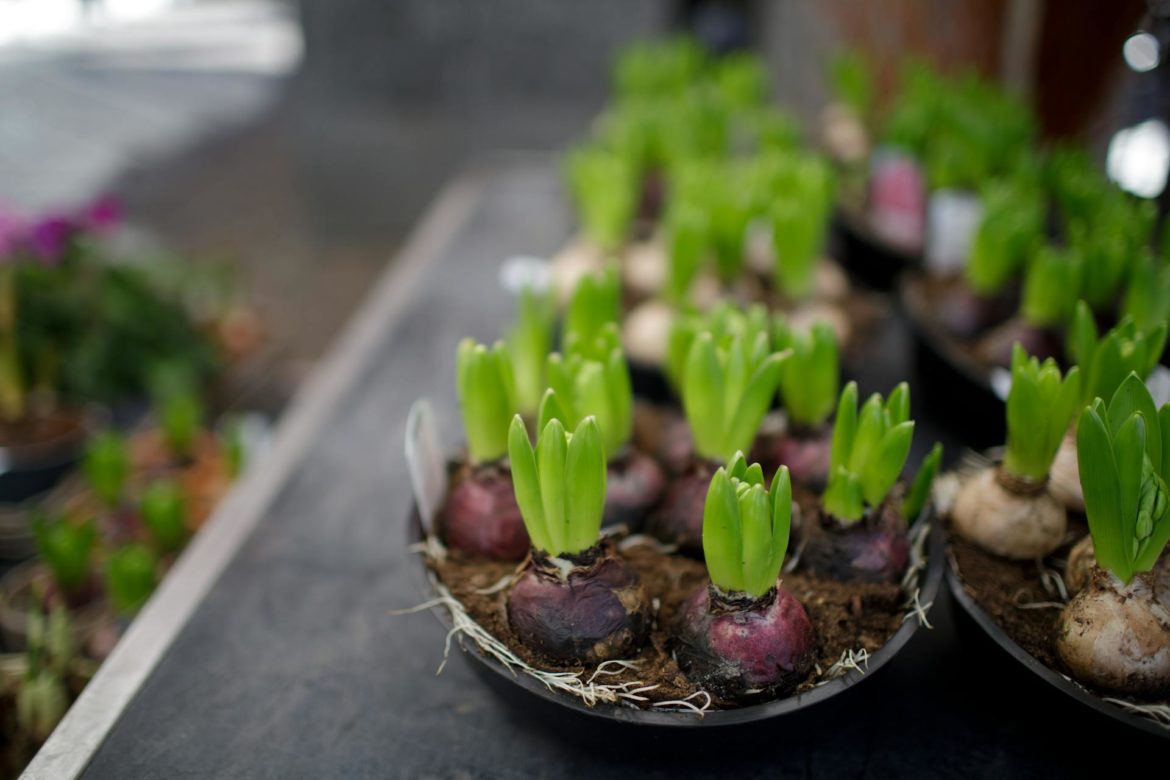
The best spring gardens are made in autumn. That colourful display of tulips, daffodils and hyacinths that stops you in your tracks in September was planted months earlier, in the cool quiet of March or April, by someone who understood that the most rewarding garden work is often deferred. Planting bulbs in autumn is one of the most reliable investments in the gardening calendar: the effort is modest, the window is forgiving, and the return is almost guaranteed.
Here is what beginners need to know to get it right.
Why autumn is the right time
Spring-flowering bulbs need a period of cold dormancy to trigger blooming. This is not a quirk of gardening lore but a biological requirement: the cold breaks the internal dormancy of the bulb and initiates the hormonal processes that will eventually produce flowers. Bulbs planted in spring miss this essential cold period and either fail to flower or produce a poor, weak display.
Autumn planting also gives bulbs the specific combination of conditions they need most: soil that is still warm enough from summer to encourage root development, combined with cooling air temperatures that prevent premature above-ground growth. The roots establish through autumn, the bulb goes dormant through the coldest months, and the established root system supports the strong, vigorous growth that emerges in spring.
When to plant in South Africa’s climate
Timing in South Africa requires some translation from Northern Hemisphere bulb planting guides. In the Southern Hemisphere, autumn falls between March and May, and this is the planting window for spring-flowering bulbs. The goal is to get bulbs in the ground once nighttime temperatures have dropped consistently below around 16°C, while still leaving six to eight weeks of soil warmth before the ground cools significantly. In the Highveld, this typically means planting in April. In the Western Cape and milder coastal areas, May is often appropriate.
Warmer climates present a specific challenge for some bulb types. Tulips and hyacinths require a cold period to flower well, and in areas where winters stay mild, the soil never provides this naturally. Gardeners in these regions can chill tulip and hyacinth bulbs in the refrigerator for six to eight weeks before planting in late autumn or early winter, keeping them away from fruit, which emits ethylene gas that damages bulbs. Daffodils, alliums and ranunculus are more tolerant of warmer winters and generally perform well without this extra treatment.
Choosing the right bulbs
For first-time bulb planters, daffodils are the most reliable starting point. They naturalise readily, are not eaten by rodents, tolerate a wider range of conditions than most other bulb types, and produce generous, long-lasting flowers. Alliums, which produce those dramatic globe-shaped flowerheads in purple, white or pink, are almost as trouble-free and bring a different visual character to the spring garden. Ranunculus and anemones are good choices for warmer climates and add rich, layered colour.
Tulips offer spectacular results but are more demanding: they need a proper cold period, dislike heavy or waterlogged soil, and in warm climates are often treated as annuals rather than perennials. This does not make them not worth growing, but it does mean they need more deliberate management than daffodils or alliums.
Preparing the soil
Bulbs are particularly vulnerable to rotting in poorly draining soil. Before planting, loosen the bed to a depth of around 25 to 30 centimetres and remove any weeds, rocks or debris. Work in compost or well-rotted organic matter to improve both drainage and fertility: in sandy soils, organic matter helps retain moisture; in heavier clay soils, it improves drainage and prevents the waterlogging that rots bulbs. Most spring bulbs prefer a slightly acidic to neutral soil pH. If the bed stays consistently wet after rain, raised beds or the addition of coarse sand are worth considering.
Planting depth, spacing and orientation
A reliable rule for planting depth is to plant bulbs at two to three times their own height. For a tulip bulb roughly five centimetres tall, that means planting at ten to fifteen centimetres deep. For smaller bulbs like crocuses, eight to ten centimetres is sufficient. Planting too shallow is one of the most common beginner mistakes: shallow bulbs are vulnerable to being heaved out of the ground by temperature fluctuations and produce weaker growth.
Spacing depends on the effect you want. For a naturalistic drift, larger bulbs can be placed fifteen to twenty centimetres apart, with smaller ones slightly closer. For a more formal, massed effect, bringing bulbs closer together creates a denser impact. Plant with the flat base downward and the pointed tip facing up: roots emerge from the base, shoots from the tip. If a bulb is rounded with no obvious tip, plant it on its side, and the shoot will orient itself correctly.
Watering and mulching
Water thoroughly immediately after planting to settle the soil around the bulb and eliminate air pockets. After this initial watering, keep the soil lightly moist: not waterlogged, but not completely dry either. In areas with regular autumn and winter rainfall, no additional watering is usually needed. In drier regions, check the soil weekly and water lightly when it feels dry.
A layer of organic mulch, around five to eight centimetres of bark chips, shredded leaves or straw, applied over the planted bed does several useful things simultaneously: it insulates the soil against temperature extremes, retains moisture, suppresses weeds and reduces the risk of shallow bulbs being displaced. Apply after planting and leave it in place through winter, removing it only once shoots begin to appear in early spring.
ALSO SEE:
How to compost in autumn and keep your pile going through the colder months
Featured Image: Pexels