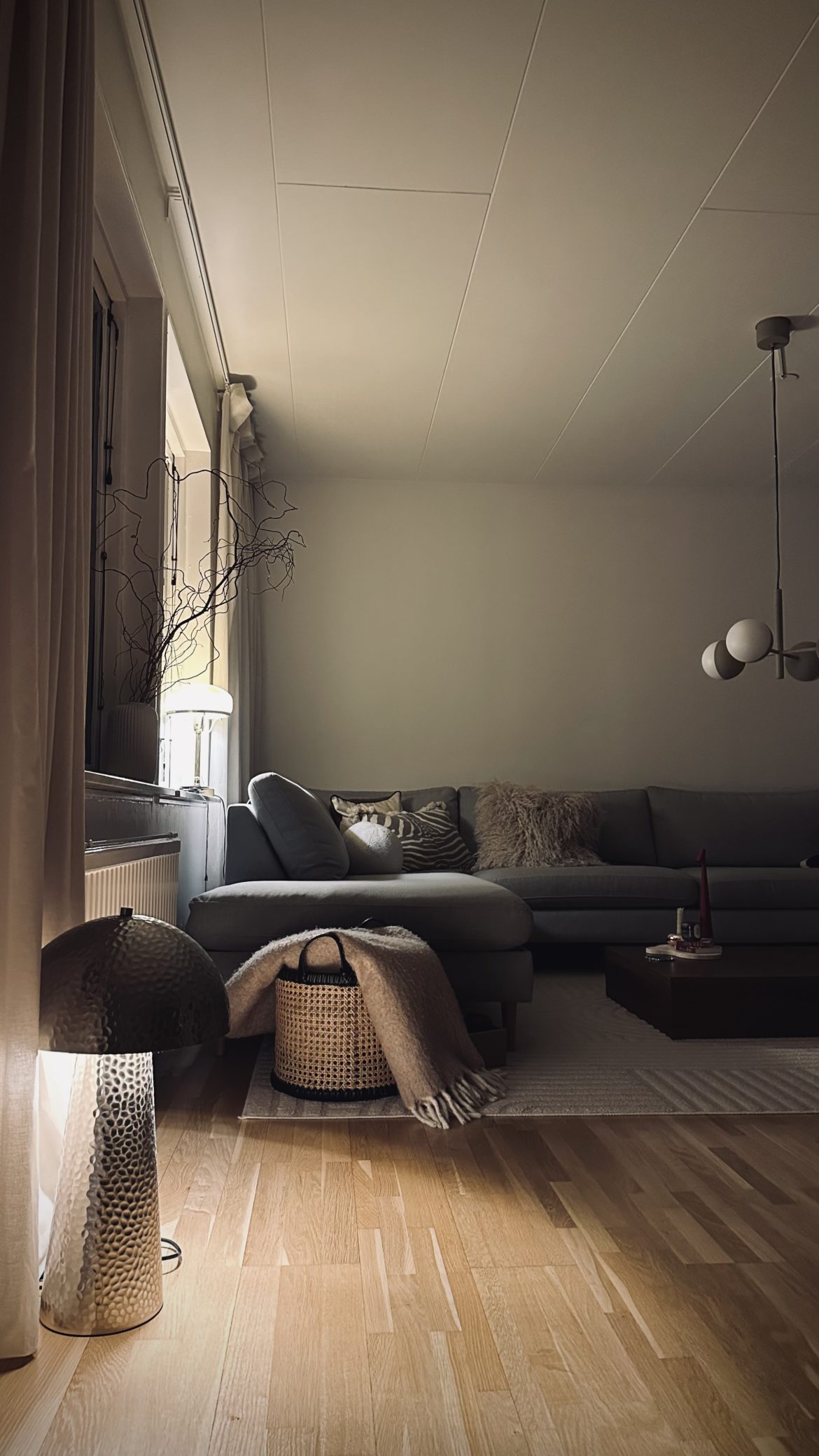
There’s a reason beautifully designed spaces feel instantly calming, inviting, and elevated — and it’s rarely about buying more. It’s about layering. Specifically, layering textures in a way that creates depth, contrast, and a lived-in sense of luxury.
Interior stylists don’t just decorate a room — they build it, piece by piece, texture by texture. Here’s how to master the art of layering decor textures like a pro.
Start with a neutral foundation
Every well-styled space begins with a calm base. Think of this as your canvas — walls, larger furniture pieces, and flooring that set the tone without overwhelming it.
This doesn’t mean everything has to be beige. It means choosing tones that feel cohesive like warm whites, soft greys, earthy browns, or muted olives. A neutral base allows your textures to take centre stage rather than compete with colour.
Mix hard and soft elements
The magic of texture layering lies in contrast. Pairing opposing materials creates visual interest and balance.
A sleek leather sofa feels richer with a chunky knit throw, a glass coffee table becomes warmer with a woven tray or a polished wood gains depth next to linen or boucle are the pairings that come to mind.
Interior stylists are constantly playing with tension — rough vs smooth, matte vs glossy, structured vs relaxed.
Layer from large to small
Styling isn’t about scattering random decor pieces — it’s intentional layering.
Start with your biggest elements:
- Rugs
- Curtains
- Furniture
Then build in mid-level textures:
- Throws
- Cushions
- Ottomans
Finish with smaller details:
- Ceramics
- Books
- Decorative objects
Each layer should add something new without repeating the exact same texture.
Embrace natural materials
If you want your space to feel elevated yet grounded, lean into natural textures. These bring warmth and authenticity that synthetic materials often lack.
Think linen, cotton, wool, rattan, wood or stone.
Even in a modern space, incorporating organic textures softens the overall look and makes it feel more inviting.
Play with contrast, not clutter
Layering textures doesn’t mean overfilling a room. One of the biggest mistakes is adding too many competing elements.
Instead, be intentional with your decor styling. Pair one statement texture with simpler surroundings, repeat textures subtly across the room for cohesion or leave breathing space between pieces.
A boucle chair stands out more when it isn’t fighting for attention with five other bold textures.
Use textiles to shift the mood
Textiles are the easiest way to introduce and change textures seasonally — something interior stylists do effortlessly.
For cooler months incorporate heavier knits, velvet, faux fur and/or layered rugs. For warmer months think lightweight linen, cotton, sheer curtains and/or minimal layering.
Swapping textiles allows your space to evolve without a full redesign.
Don’t forget the walls
Texture isn’t limited to furniture and decor — your walls are an opportunity too.
Consider limewash or textured paint finishes, fabric or upholstered panels, woven wall hangings or subtle plaster effects. These add dimension without taking up physical space, which is especially useful in smaller rooms.
Add something unexpected
Interior stylists often include one element that feels slightly “off” in the best way — something that breaks uniformity.
It could be a vintage wooden stool in a modern space, a metal accent in an otherwise soft room or a high-gloss object among matte finishes.
This contrast keeps the space from feeling flat or overly curated.
Create a sensory experience
The most beautifully layered spaces don’t just look good — they feel good.
Think about how textures interact with your senses: soft rugs underfoot, cool stone surfaces and cozy throws you actually want to use.
A well-layered home invites you to relax, not just admire it.
The interior stylist’s rule: Edit ruthlessly
Finally, the secret that ties everything together — editing.
After layering your textures, step back and remove anything that feels excessive. Interior stylists are masters of restraint. The goal isn’t more, it’s better.
Layering decor textures is less about following rules and more about creating a feeling. It’s the difference between a room that looks styled and one that feels like home.
When done right, texture tells a story — one of comfort, intention, and quiet luxury.
ALSO SEE:
Home décor pieces that are absolutely worth the money and investment
Featured Image: DupePhoto