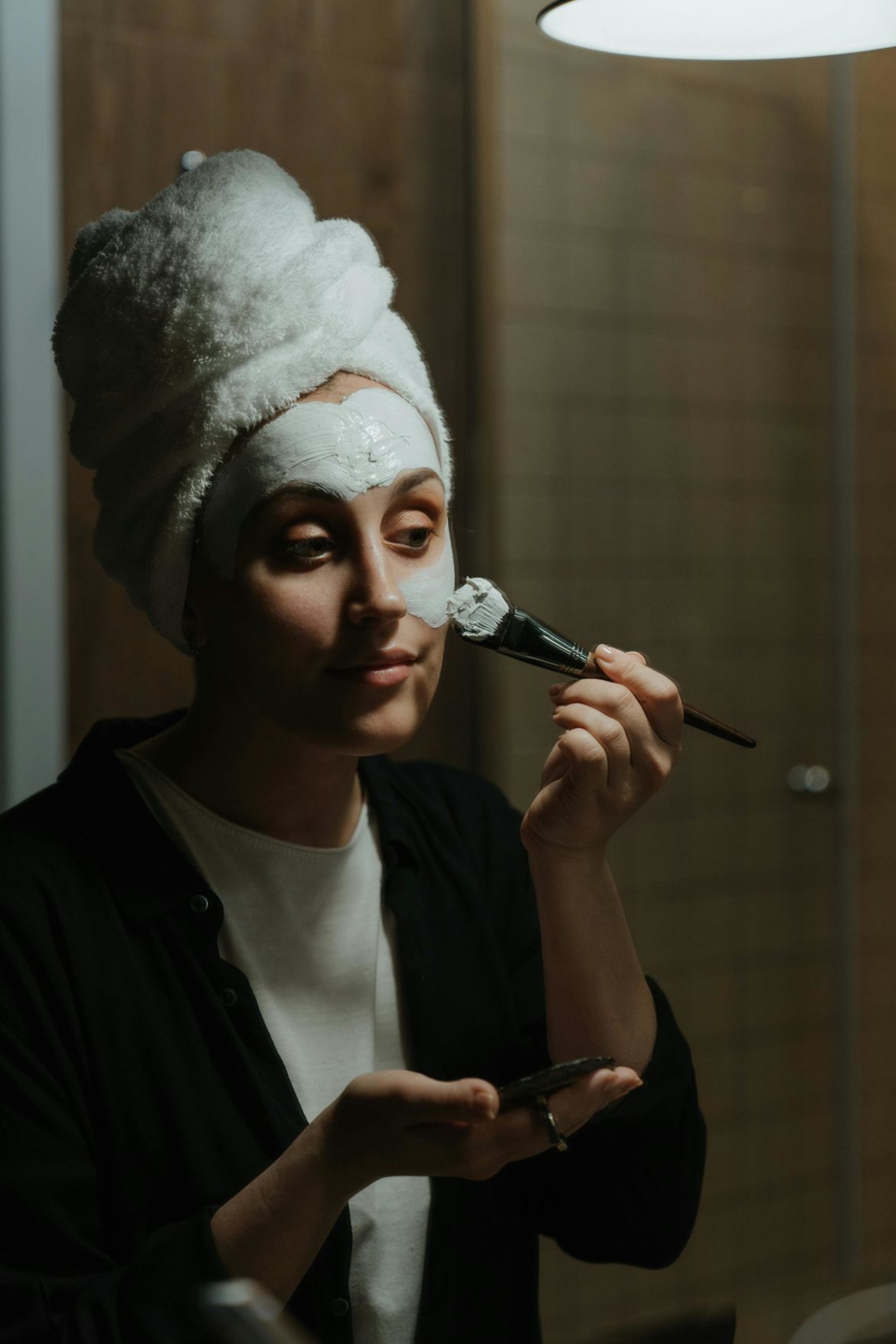
You go to bed with glowing, hydrated skin – only to wake up feeling tight, flaky, and dull. If this sounds familiar, you’re not imagining it. Overnight dryness is a real (and very common) skin concern, especially during cooler months or seasonal transitions.
The good news? Once you understand why it’s happening, it becomes much easier to fix.
Why does your skin get drier while you sleep?
1. Your skin loses more water at night
At night, your skin naturally undergoes a process called transepidermal water loss (TEWL)—essentially, moisture evaporates from your skin while you sleep.
This process tends to peak overnight, which means your skin is more vulnerable to dehydration while you rest.
2. Your skin barrier is in repair mode
While you sleep, your skin shifts into repair and regeneration mode. This is when cell turnover increases and your skin works hard to recover from environmental stressors like sun exposure and pollution.
The downside? This repair process can temporarily weaken your skin barrier, making it easier for moisture to escape.
3. Indoor air is dry (Especially in autumn and winter)
Cooler seasons often mean heaters are on, there is less humidity in the air and windows are usually closed.
All of this creates a dry indoor environment, which pulls moisture from your skin overnight—leaving it feeling parched by morning.
4. Your evening routine might be stripping your skin
That “clean” feeling after cleansing? It might actually be a sign your skin has been over-stripped.
Common culprits include:
- Harsh cleansers
- Over-exfoliating
- Skipping moisturiser
- Using actives (like retinol or acids) without enough hydration support
5. You’re not sealing in hydration properly
Applying a light moisturiser might feel like enough but overnight, your skin needs both hydration and protection.
Without a product to lock everything in, the moisture you applied simply evaporates.
How to fix overnight dryness
Switch to a gentle, hydrating cleanser
Opt for a cleanser that doesn’t strip your skin’s natural oils. Look for words like:
- “Hydrating”
- “Cream” or “milk cleanser”
- “Barrier-supporting”
Your skin should feel soft – not tight – after cleansing.
Layer your hydration
Think of your evening routine like layering an outfit:
Step 1: Hydrating toner or essence
Step 2: Serum (like hyaluronic acid)
Step 3: Moisturiser
Step 4: Occlusive (optional, but powerful)
This helps your skin hold onto moisture throughout the night.
Don’t skip an occlusive step
An occlusive seals everything in and prevents water loss.
Look for ingredients like:
- Ceramides
- Squalane
- Shea butter
- Petrolatum (in small amounts, if your skin tolerates it)
Even applying a slightly richer night cream can make a noticeable difference.
Be strategic with the actives in your skincare
Retinol, exfoliating acids, and acne treatments can all increase dryness, especially overnight.
Try:
- Using them only a few nights a week
- Pairing them with barrier-repair products
- Avoiding mixing too many actives at once
Invest in your environment
Sometimes the issue isn’t your skincare – it’s your space.
- Use a humidifier to add moisture back into the air
- Avoid sleeping directly under air conditioning or heaters
- Switch to silk or satin pillowcases to reduce friction and moisture loss
Upgrade your night cream
Your daytime moisturiser might not be enough at night. Look for a richer formula designed specifically for overnight repair.
Ingredients to prioritise:
- Ceramides (for barrier repair)
- Glycerin (for hydration)
- Niacinamide (for strengthening skin)
Waking up with dry skin isn’t a failure of your routine; it’s often a sign that your skin needs more support overnight.
By focusing on hydration, protecting your skin barrier, and creating a more skin-friendly sleep environment, you can wake up with skin that feels soft, balanced, and truly rested.
Overnight skincare isn’t just about what you apply – it’s about how well your skin is able to hold onto it.
ALSO SEE:
Featured Image: Pexels