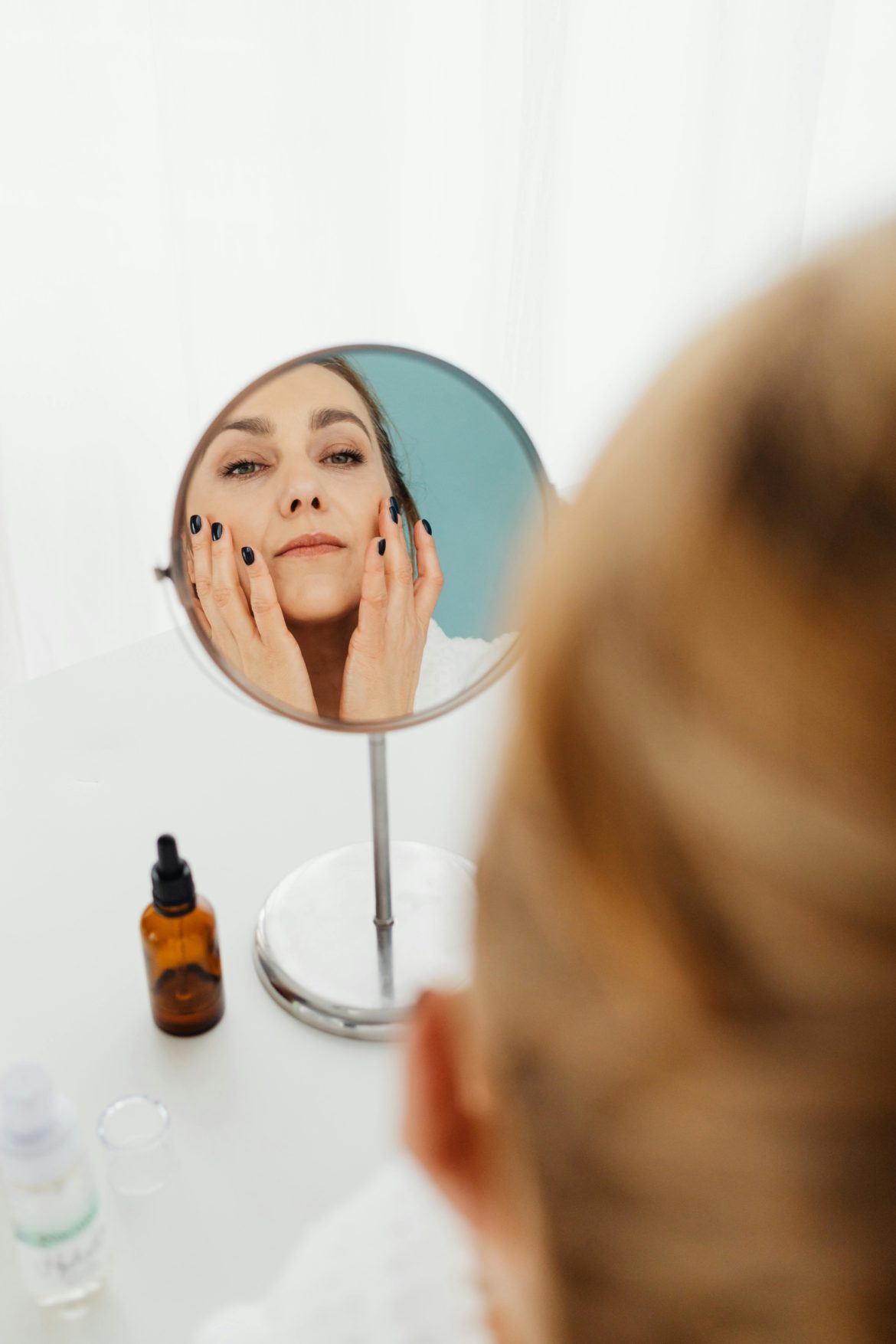
As the seasons shift and the light softens, autumn invites a slower, more intentional approach to beauty. After months of sun exposure, saltwater, sweat, and perhaps a little too much spontaneity with SPF reapplication, your skin is likely craving restoration.
Think of autumn as your skin’s reset button — a time to repair, replenish, and rebuild.
What summer really does to your skin
Summer leaves behind more than just memories and a golden glow. Prolonged sun exposure can lead to dehydration, pigmentation, inflammation, and a weakened skin barrier. Even if you were diligent with sunscreen, UV rays, heat, and environmental stressors can quietly disrupt your skin’s balance.
You might notice:
- Dullness or uneven texture
- Dark spots or hyperpigmentation
- Increased sensitivity
- Breakouts or congestion
- Fine lines appearing more pronounced due to dehydration
Autumn is the perfect time to address all of this — without the harsh intensity of winter or the sensitivity risks of summer treatments.
Step one: Repair the skin barrier
Before diving into actives or treatments, your first priority should be healing your skin barrier. If your skin feels tight, reactive, or unusually dry, this step is non-negotiable.
Focus on gentle, nourishing products. Swap out harsh cleansers for creamy or milky formulas, and introduce ingredients like ceramides, fatty acids, and niacinamide. These help rebuild your skin’s protective layer, locking in moisture and keeping irritants out.
Skin that is properly supported at the barrier level responds better to everything else you apply afterward.
Step two: Reintroduce hydration — properly
Summer dehydration often lingers into autumn. Even oily skin types can be dehydrated, which can lead to excess oil production and breakouts.
Layer hydration instead of relying on a single heavy cream. Start with a hydrating toner or essence, followed by a serum rich in hyaluronic acid or glycerin, and seal it in with a moisturiser suited to your skin type.
This layered approach creates that plump, healthy glow that no highlighter can replicate.
Step three: Gently resurface
Autumn is ideal for reintroducing exfoliation. After months of sun exposure, your skin is more prone to sensitivity, so now is the time to gently encourage cell turnover.
Opt for chemical exfoliants like lactic acid or mandelic acid a few times a week rather than aggressive scrubs. This helps to refine texture, brighten dullness, and fade pigmentation without compromising your barrier.
Consistency matters more than intensity here.
Step four: Target pigmentation and sun damage
If summer has left you with uneven skin tone or dark spots, autumn is when you can start correcting it more actively.
Ingredients like vitamin C, alpha arbutin, and tranexamic acid can help brighten and even out your complexion over time. Retinol can also be reintroduced gradually to support cell turnover and improve overall skin clarity.
The key is patience. Pigmentation doesn’t appear overnight, and it won’t disappear overnight either.
Step five: Don’t abandon SPF
Just because the sun feels softer doesn’t mean it’s less damaging. One of the biggest mistakes people make in autumn is becoming relaxed about sun protection.
Daily SPF is still essential — especially if you’re using exfoliating acids or retinol. Protecting your progress is just as important as making it.
Step six: Simplify and listen
Autumn skincare is less about doing more and more about doing what works — consistently. This is the season to simplify your routine, tune into your skin, and resist the urge to chase every trending ingredient.
Pay attention to how your skin feels. Is it calm? Balanced? Comfortable? That’s your benchmark — not perfection.
The autumn mindset shift
An autumn skin reset isn’t just about products — it’s about intention. It’s about slowing down, being gentle, and prioritising long-term skin health over quick fixes.
There’s something deeply aligned between the season and this approach. As the world softens, so should your routine.
This is your chance to repair what summer took, restore what your skin needs, and step into the cooler months with a complexion that feels as calm and grounded as you do.
ALSO SEE:
Are peptides the new retinol? The ingredient that’s taking over skincare
Featured Image: Pexels