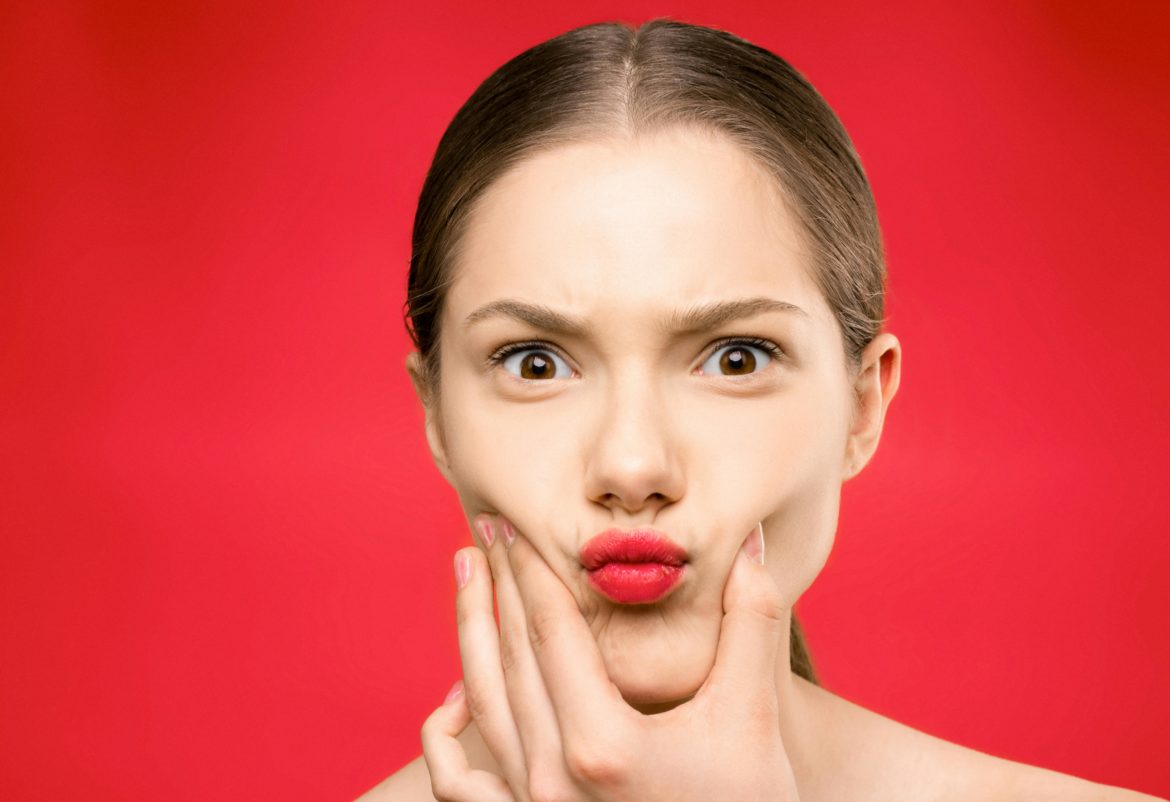
If you’ve been online, it’s likely you’ve seen the term ‘Ozempic Face’. It can make people look far older than they are. But what exactly causes this volume loss and can it be avoided?
ALSO SEE: The surprising connection between weight loss and muscle and hair loss
Ozempic has been widely praised for its effectiveness in managing blood sugar and causing weight loss, along with GLP-1 medications like Mounjaro. It’s not been without controversy as conversations have been sparked regarding the body positivity movement and people with blood sugar issues incensed about its use for weight loss. However, it works! And another conversation has come up around the unexpected changes in facial appearance.
So what is happening – and is there a way to prevent ‘Ozempic face’?
What is Ozempic face?
This is not a medical diagnosis but people have noticed that people on Ozempic tend to lose a lot of volume as they lose weight rapidly. You may notice hollowed cheeks, sagging skin and a more tired, aged appearance.
It’s important note that this isn’t unique to Ozempic but rather fast weight loss. Any medication, diet or lifestyle changes can lead to similar effects.
What causes it?
There’s a layer of fat beneath the skin that helps to keep the face look plump and youthful. When weight drops quickly, this subcutaneous fat goes first, and the face often reflects this immediately.
Age also plays a role. As people age, there’s a natural decline in collagen and elastin. So the skin can’t bounce back as well after fat loss. This can make fine lines and sagging more noticeable.
Dehydration and poor nutrition during weight loss further exacerbate the issue, leaving the skin look dull or depleted.
How to minimise the effects
You can’t control how your body loses weight but there are ways to support your skin and soften the impact.
1. Aim for gradual weight loss
Slow and steady changes will give your skin more time to adjust, reducing the likelihood of sudden volume loss in the face.
2. Prioritise protein and nutrients
Aim to eat a balanced diet rich in protein, healthy fats and antioxidants to support structure and elasticity.
3. Hydration
To help maintain overall radiance and skin plumpness, make sure your water intake is adequate.
4. Invest in skincare
Use ingredients like hyaluronic acid, retinol and peptides to support hydration and collagen production.
5. Professional treatments
Non-invasive options like dermal fillers, skin-tightening procedures or collagen-stimulating treatments can help to restore volume if necessary.
The takeaway
‘Ozempic face’ is about how your body responds to the medication, not necessarily about the medication itself. GLP-1 medications will help you lose weight, but if you don’t have somewhat healthy habits in place already, it can have unsightly effects on your face. Prioritise both your health and skin.
ALSO SEE:
Featured image: Pexels