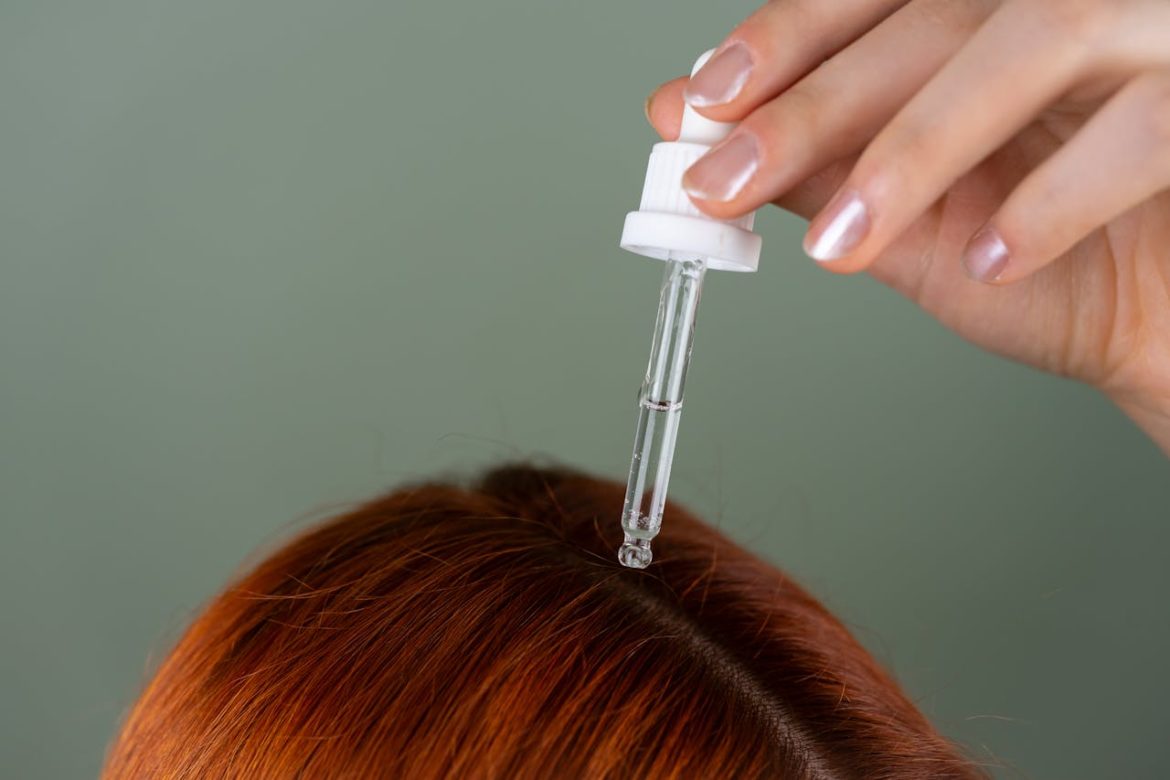
If you’ve spent any time building a skincare routine, you’ll know hyaluronic acid well. It’s the hydrating workhorse behind countless serums, moisturisers and eye creams — and now it’s making a convincing case for itself in the shower too. The so-called skinification of hair is one of 2026’s most talked-about beauty trends, and at the centre of it is an ingredient your scalp may have needed all along.
What is hyaluronic acid, and what does it do for hair?
Hyaluronic acid is a humectant — a substance that attracts and retains moisture, drawing water from the surrounding environment and holding it in place. It’s already produced naturally by the body, but its real claim to fame is its ability to hold up to a thousand times its own weight in water.
Applied to the hair and scalp, it works in much the same way it does on the face. Board-certified dermatologist Dr Dara Spearman explains that just as hyaluronic acid hydrates the skin, it calms dryness and irritation on the scalp and leaves hair feeling softer and healthier overall. She regularly recommends it to patients dealing with a tight, itchy or flaky scalp.
The ingredient is particularly valuable during season changes, when indoor heating and shifting temperatures pull moisture out of both the scalp and the hair shaft — leaving strands dull, brittle and prone to static. Think of it as a drink of water for hair that’s been running on empty.
What makes it different from oils and butters?
Traditional moisturising ingredients like argan oil, shea butter and coconut oil work by coating the hair shaft and sealing in hydration. They’re effective, but they come with a trade-off: weight. For anyone with fine or medium hair, heavy oils can make strands look flat, feel greasy, and attract product buildup over time.
Hyaluronic acid sidesteps all of that. It’s exceptionally lightweight, delivering moisture without any residue or heaviness. Dr Spearman notes that it won’t weigh hair down or make the scalp feel greasy, which makes it a practical option for hair types that have historically had to choose between hydration and volume.
Who will benefit most?
Dry, coarse and curly hair types tend to see the most noticeable results, according to Dr Iris Rubin, board-certified dermatologist and co-founder of haircare line SEEN. These hair types naturally struggle to retain moisture, making the humectant properties of hyaluronic acid especially impactful. Fine and medium hair that needs hydration without heaviness is also well-suited to the ingredient.
Anyone experiencing seasonal scalp tightness, itching or flaking — regardless of hair type — may find meaningful relief with consistent use. In short, if dryness is the problem, hyaluronic acid is a reasonable place to start.
Can you use your regular face serum on your scalp?
Technically, yes — but it’s not ideal. Dr Rubin cautions that facial formulations may be too sticky to spread evenly through hair, too light to be effective, or missing the supporting ingredients that help seal moisture into the hair fibre. Haircare products formulated with hyaluronic acid are designed with the right texture, spreadability and complementary ingredients for the job. It’s worth investing in a formula made specifically for the hair and scalp rather than repurposing your skincare shelf.
How to incorporate it into your routine
One of the more practical aspects of hyaluronic acid is how easily it slots into an existing haircare routine. It can be found in shampoos, conditioners, leave-in treatments and scalp serums — meaning you can introduce it at whichever step makes most sense for your needs.
Shampoos and conditioners with hyaluronic acid offer a hydrating foundation on wash days, making them ideal for general maintenance. Hair masks provide a more intensive treatment — most require five to ten minutes on damp hair before rinsing. Leave-in serums and scalp treatments offer the deepest hydration because they stay in contact with the hair and scalp for longer, typically applied to dry or damp hair once daily.
The good news is that rinse-off and leave-in formulas are both effective. You don’t need to overhaul your entire routine — even incorporating one hyaluronic acid product at a single step will make a difference.
One thing it won’t do
It’s worth being clear about what hyaluronic acid is and isn’t. Dr Rubin is firm on this point: the ingredient does not repair structural damage to the hair. It hydrates the surface of the strand and the scalp, which can make hair look and feel healthier, but it’s not a substitute for strengthening ingredients like keratin, bond builders or proteins. If breakage and weakness are your primary concerns, a dedicated strengthening treatment is the more appropriate solution — hyaluronic acid can work alongside it, but not instead of it.
For dry, irritated scalps and thirsty strands, however, it offers genuine, relatively fast relief. Most people notice an improvement in comfort and softness within the first few uses — a promising return for what is, in most cases, a simple and affordable addition to an existing routine.
ALSO SEE:
Featured Image: Pexels