Cooking in 2026 is about more than just flavour. Functional cooking is rising as women become more intentional about what goes into their meals – choosing ingredients not just for taste, but for how they support energy, digestion, immunity and overall well-being.
Let’s take a look at how you can adopt the feel-good approach to food that nourishes the body without sacrificing enjoyment:
ALSO SEE: This household ingredient boasts benefits beyond the spice cabinet
What is functional cooking?
Functional cooking focuses on ingredients that offer added health benefits beyond basic nutrition. Think foods rich in fibre, anti-inflammatory spices, gut-friendly ferments and nutrient-dense whole ingredients. It’s not about strict rules or cutting out food groups – it’s about cooking with purpose.
Everyday ingredients with extra benefits
Many functional foods are already kitchen staples. Ingredients like turmeric and ginger support inflammation and digestion, leafy greens boost micronutrients, legumes provide plant-based protein and fibre, while fermented foods like kimchi or yoghurt support gut health. These ingredients enhance everyday meals in simple, accessible ways.
Wellness without restriction
One of the biggest appeals of functional cooking is its flexibility. There’s no pressure to follow a rigid plan or label foods as ‘good’ or ‘bad’. Instead, meals are built around balance and nourishment – adding beneficial ingredients rather than focusing on deprivation.
Supporting energy and mood through food
Functional cooking also recognises the connection between what we eat and how we feel. Meals that stabilise blood sugar, support digestion and provide sustained energy can help reduce fatigue and mood dips. This makes functional food especially appealing for busy women juggling work, family and personal wellbeing.
Small shifts, big impact
You don’t need to overhaul your diet to cook functionally. Simple swaps – adding seeds to salads, using bone broth in soups, or incorporating herbs into everyday dishes – can make a meaningful difference over time.
Functional cooking brings intention back into the kitchen. By choosing ingredients that support wellness while still delivering flavour, women are creating meals that truly work for their lives. It’s proof that food can be both nourishing and deeply satisfying – no compromise required.
Breakfast, lunch and dinner meals to try
Breakfast: Gut-friendly breakfast bowl
Supports digestion, energy and blood sugar balance
Layer Greek yoghurt or coconut yoghurt with berries, chia seeds, flaxseed and a drizzle of honey. Top with a spoon of fermented food like kefir or a swirl of nut butter.
Why it works: Combines protein, probiotics and fibre for sustained morning energy.
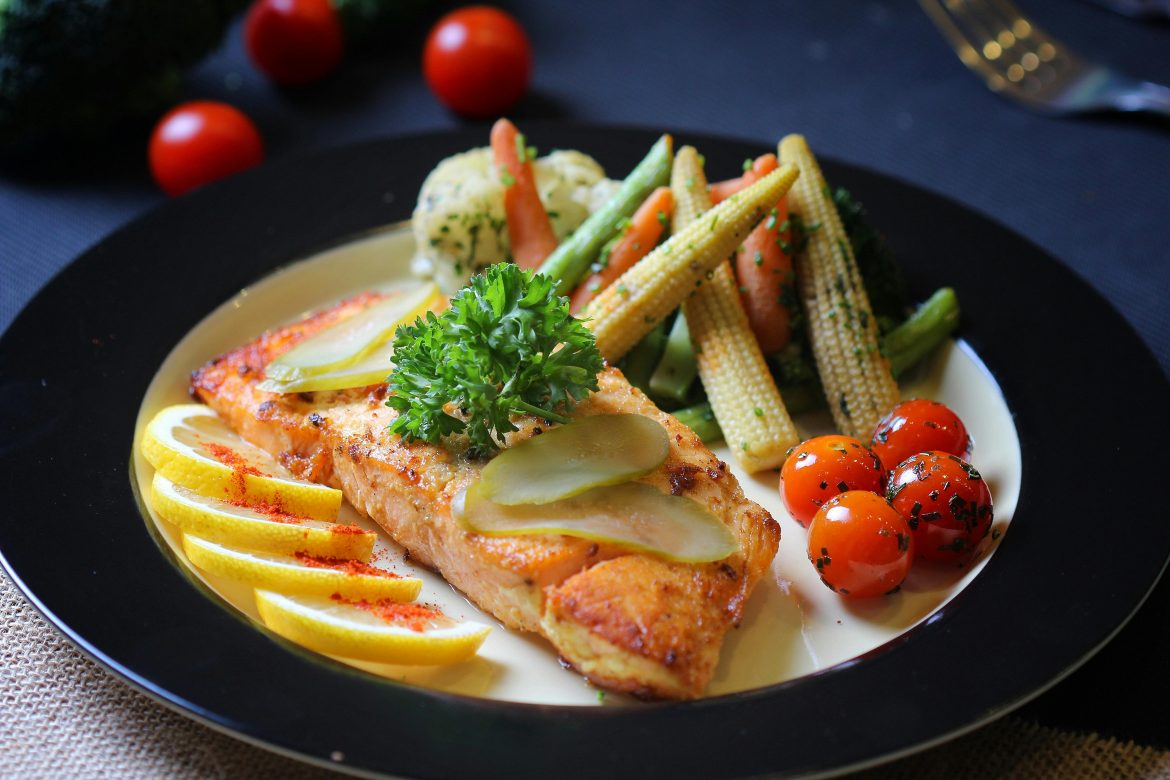
Lunch: Salmon with Lemon, Olive Oil & Wilted Greens
Supports brain health, hormones and heart health
Pan-seared or oven-baked salmon drizzled with olive oil and fresh lemon, served over sautéed spinach or kale.
Why it works: Simple, fast and deeply nourishing without feeling heavy. Omega-3s support cognitive function and hormonal balance, while leafy greens deliver iron and fibre.
Dinner: Anti-Inflammatory Chicken & Veg Tray Bake
Supports energy and muscle recovery
Roast chicken thighs with sweet potato, red onion, broccoli and courgette tossed in olive oil, paprika, garlic and rosemary. Everything cooks together for maximum flavour with minimal effort.
Why it works: Balanced, nutrient-dense and perfect for busy weeknights.
ALSO SEE:
Help ease body inflammation with these 7 anti-inflammatory foods
Featured Image: Pexels