Sciatica pain is unpleasant, exhausting and can really stop you from doing what you need to do. If a flare-up happens at home and it’ll take some time to get to a doctor, here are simple ways to relieve the pain in the meantime.
ALSO SEE: Recovery methods for body pain caused by exercise
Is there anything as uncomfortable as that sharp, burning pain that radiates from your lower back down the back of your thigh? Sciatica pain can be disruptive and incredibly painful. Caused by the compression of the sciatica nerve, it shows up as a sharp, almost electric sensation through the hips and down one leg. Severe cases need to be treated by a medical professional, but what if you have a flare-up at home and need relief now? Some simple strategies can alleviate the worst pain before you get to a doctor.
Gentle movement
Instinctively, you may feel like you need to limit movement or rest, but gentle movement can actually help. Go for a short walk, if you can manage, or do basic mobility exercises to encourage blood flow and loosen up stiffness. Do make sure to move slowly while it’s pain-free and avoid twisting or high-impact exercise.
Targeted exercises
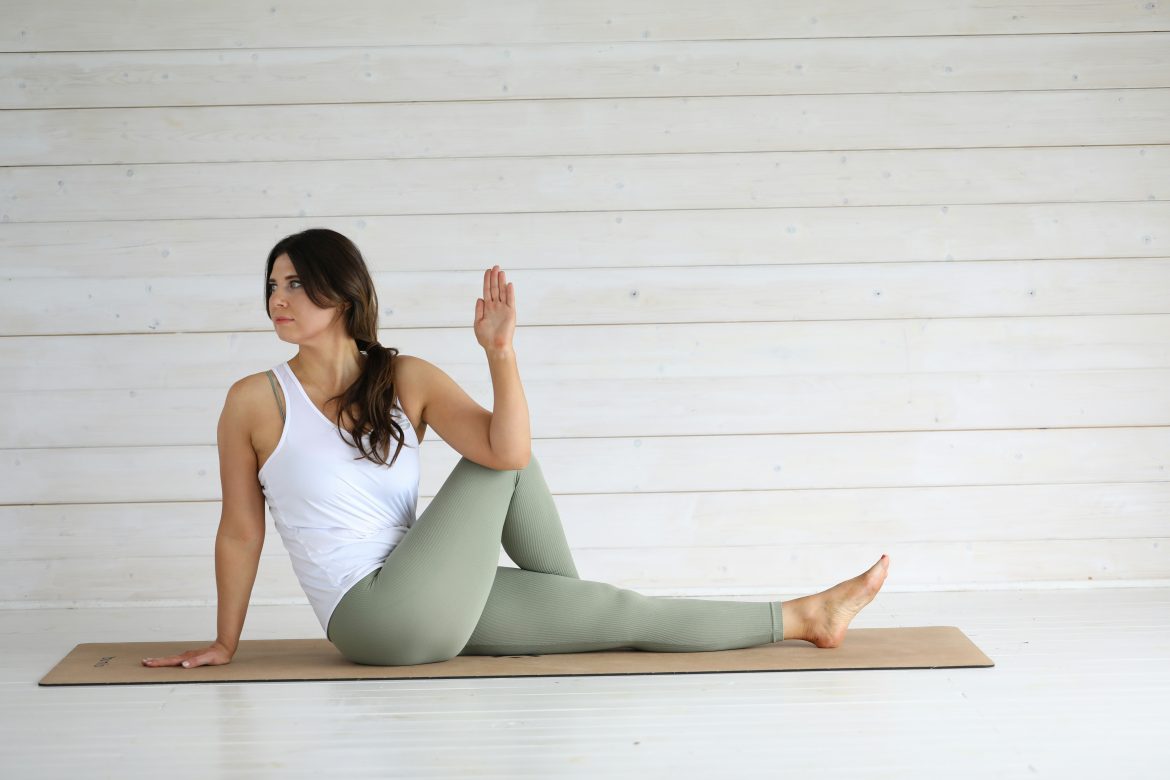
The idea is to get pressure off that sciatica nerve, which can be achieved by certain exercises. Knee-to-chest exercises, seated spinal twists (within pain-free range) and hamstring stretches are often recommended. Hold the stretch for 20 or 30 seconds, breathe deeply. However, if it hurts, stop immediately.
Health and cold therapy
Try applying a cold pack to the lower back for about 15 minutes. This may help reduce inflammation during a flare-up. After a day, switch to heat, like a warm compress or heating pad, which will relax the muscles and improve circulation.
Mind your posture
Sitting for a long time and sitting incorrectly can worsen sciatica. Always choose a supportive chair, keep your feet flat on the floor and try not to slouch. Also place a small cushion or a rolled-up towel right behind your lower back – this is super helpful to maintain a natural spinal alignment.
Support your body when sleeping
Your sleeping position is very important when managing sciatica. Sleep on your side with a pillow between your knees, or if you’re on your back, place a pillow under your knees. This will reduce pressure on the spine.
The bottom line
All these tips are helpful but if sciatica is severe or worsening, medical treatment is essential. At-home care is good for mild discomfort. Small daily adjustments, though, can make a difference in managing sciatica pain at home.
ALSO SEE:
Feature image: Unsplash