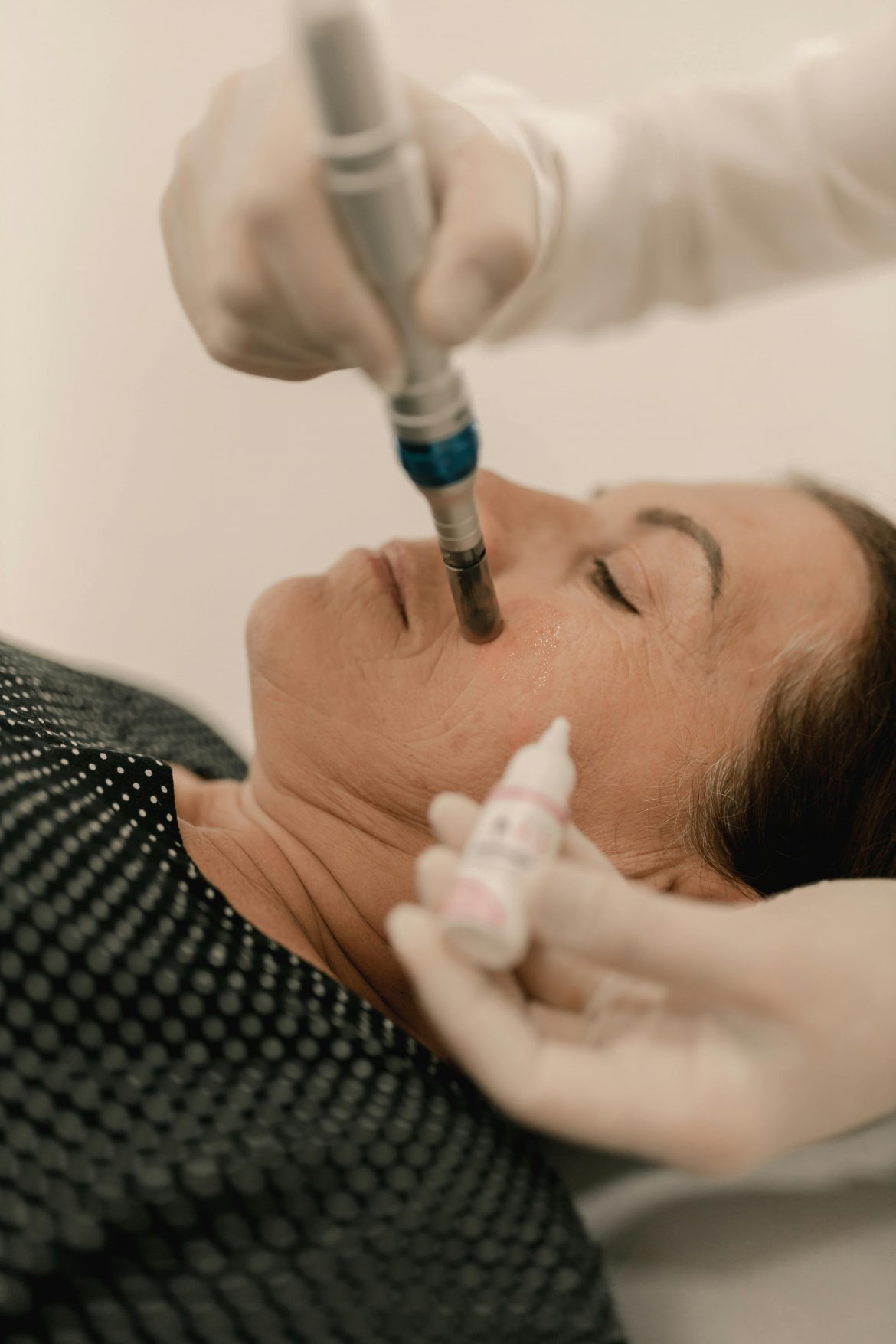
Micro-needling has quietly become one of the most requested in-clinic skin treatments — and for good reason. It sits at the intersection of science and skin wellness, offering real results without dramatic downtime. But while it’s often spoken about as a “quick fix”, the success of microneedling lies just as much in the preparation and aftercare as it does in the treatment itself.
If you’re considering micro-needling (or already have a session booked), here’s everything you should know before your skin ever meets a needle.
What is micro-needling, really?
Micro-needling — also known as collagen induction therapy — uses a device fitted with ultra-fine needles to create controlled micro-injuries in the skin. These tiny punctures trigger the body’s natural healing response, stimulating collagen and elastin production.
The goal isn’t to damage the skin, but to wake it up — encouraging renewal, improved texture and a healthier overall complexion.
The benefits of micro-needling
Micro-needling is loved for its versatility. It can be used on most skin types and addresses a wide range of concerns, including:
- Fine lines and early signs of ageing
- Acne scars and post-inflammatory pigmentation
- Uneven skin texture and enlarged pores
- Dull or tired-looking skin
- Stretch marks (on the body)
- Mild skin laxity
Over time, consistent treatments can lead to firmer, smoother, more resilient skin — not “perfect”, but visibly healthier.
What to expect during the treatment
A professional micro-needling session usually lasts between 45 and 60 minutes.
Your skin will be cleansed thoroughly, a topical numbing cream is often applied, then the micro-needling device is passed over the skin in controlled motions. A targeted serum (often hyaluronic acid or growth factors) is applied afterward.
Sensation varies from person to person, but most describe it as mildly uncomfortable rather than painful.
After the treatment, expect redness similar to a moderate sunburn, along with warmth and tightness.
Pre-treatment care: How to prepare your skin
What you do before micro-needling directly affects how your skin heals.
5–7 days before
- Avoid retinoids, exfoliating acids (AHA/BHA) and strong actives
- Pause chemical peels or other resurfacing treatments
- Avoid excessive sun exposure
24–48 hours before
- Skip alcohol and anti-inflammatory medications (unless medically necessary)
- Stay well hydrated
- Avoid waxing, threading or shaving the treatment area
On the day
- Arrive with clean skin (no makeup)
- Avoid caffeine if you’re prone to sensitivity
- Let your practitioner know about any breakouts, illness or skin changes
Healthy, calm skin responds best to micro-needling.
Post-treatment care: Where results are made
Aftercare is not optional — it’s where the real transformation happens.
The first 24–48 hours
Your skin is in healing mode and needs gentle support.
- Expect redness, warmth and mild swelling
- Use only the products recommended by your practitioner
- Avoid makeup, workouts, saunas and hot showers
- Do not touch or pick at the skin
- Sleep on a clean pillowcase
The first week
- Avoid active ingredients (retinol, vitamin C, acids)
- Use a gentle cleanser and a barrier-supporting moisturiser
- Apply a broad-spectrum SPF daily — even indoors
- Avoid direct sun exposure
Hydration is key. Think calming, soothing and repairing.
What not to do after micro-needling
Exfoliation until the skin is fully healed should be avoided, as well as tanning beds or intentional sun exposure. Put the harsh tools, brushes or scrubs down and take a break on any active ingredients.
More is not more during recovery.
And the results?
Some glow is visible within days, but collagen production takes time.
You will start to see initial results7–10 days. Continued improvement will be between 4–6 weeks and for the best results, after a series of treatments.
Most practitioners recommend 3–6 sessions spaced 4–6 weeks apart for optimal results.
Is micro-needling for everyone?
Micro-needling is generally safe, but it may not be suitable if you have active acne or skin infections, certain inflammatory skin conditions, a compromised immune system or a history of poor wound healing.
Always consult a qualified professional who understands your skin history.
Micro-needling isn’t about chasing flawless skin — it’s about supporting your skin’s natural ability to heal, regenerate and strengthen itself over time.
When done correctly, and paired with thoughtful pre- and post-care, microneedling can be one of the most effective long-term investments in your skin health.
Because real skin wellness isn’t instant — it’s intentional.
ALSO SEE:
Are you over buying beauty products? How to build a thoughtful beauty routine
Featured Image: Pexels