
Moisturiser is a staple, but more is not better. Layering heavy creams or piling on multiple lotions can smother skin, clog pores and leave a greasy film that actually looks dull. The sweet spot is a measured dose, the right texture for your skin type, and smart timing.
ALSO SEE: 2026 Nostalgic make-up and how to it recreate in 2026
What over-moisturising looks like
Right after application
-
Skin feels slick or sticky 10–15 minutes later
-
Product pills or rubs off in little rolls
-
Make-up slides or separates
Over time
-
More clogged pores, blackheads, white bumps or milia
-
New or worsened breakouts
-
Dullness from dead cells being sealed in rather than shed
-
Oil production seems to drop, so you keep adding more, and the cycle continues
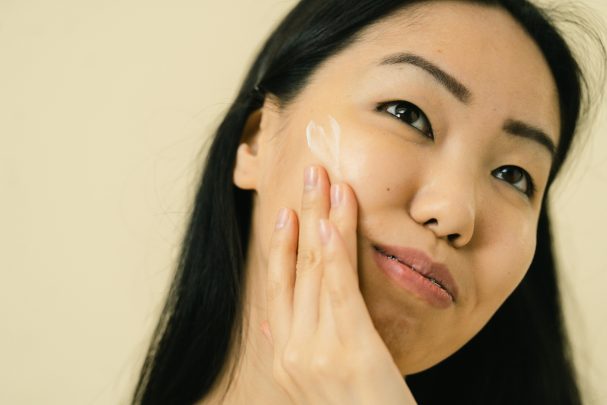
How much moisturiser is actually enough?
There is research showing skin hydration improves when moisturiser is applied to clean, slightly damp skin in measured amounts. You don’t need scales. Use this easy guide:
-
Oily/blemish-prone: pea to small grape
-
Normal/combination: grape to 10c-coin size
-
Dry/dehydrated: 10c-coin to almond size
-
Neck + chest (optional): add another pea–grape
Dot on forehead, cheeks, nose and chin, then smooth out. Your skin should feel comfortable and softly dewy, not shiny or tacky.
Pick the right texture for your skin
-
Oily or breakout-prone: light gel or fluid; look for non-comedogenic, humectants like glycerin and hyaluronic acid, plus niacinamide
-
Normal/combination: gel-cream or lotion; humectants + a little squalane or light oils
-
Dry or mature: richer cream with ceramides, cholesterol, fatty acids and shea or squalane
-
Sensitive/reactive: fragrance-free, minimal formulas; avoid heavy perfuming and high alcohol
Tip: one moisturiser is enough. You don’t need two different creams layered on top of each other.
Timing and order matter
Morning: cleanse, treat (antioxidant or targeted serum), moisturiser, then SPF 30–50.
Evening: cleanse, treat (retinoid or acid on alternate nights), moisturiser.
Apply moisturiser on slightly damp skin to trap water. If you use a retinoid, you can “sandwich” it between two thin layers of moisturiser if you’re prone to irritation.
If you’ve overdone it, reset like this
-
Scale back the dose to the amounts above and switch to a lighter texture
-
Stop double-moisturising and skip face oils for a week if you’re congested
-
Introduce gentle exfoliation 1–2 times a week: lactic or mandelic acid for dry/sensitive; salicylic acid for oily/blemish-prone
-
Check your SPF and make-up are non-comedogenic so you’re not compounding the problem
-
Give it seven to ten days of consistent, lighter use to settle
Common application mistakes to avoid
-
Slathering thick cream over active acne or closed comedones
-
Layering multiple occlusives (rich cream + oil + balm) every night
-
Applying huge amounts to very dry patches instead of repairing the barrier with ceramides and gentle exfoliation
-
Forgetting that humidity and season change your needs: go lighter in hot, humid weather; slightly richer when air is dry
Do you need moisturiser at all?
If your skin is comfortable, not flaky or tight, a separate moisturiser may be unnecessary in the morning when you already use a hydrating sunscreen. At night, most people benefit from a simple moisturiser to support the barrier, especially if you use actives.
When to see a dermatologist
-
Sudden, persistent milia or breakouts that don’t improve after simplifying
-
Ongoing redness, stinging or scaling despite gentle care
-
Eczema, rosacea or perioral dermatitis flare-ups
Quick routine templates
Blemish-prone
Cleanser → niacinamide or salicylic serum → small pea of gel moisturiser → SPF (AM)
Cleanser → retinoid (alternate nights) → small pea of gel moisturiser (PM)
Dry/barrier-impaired
Creamy cleanser → hydrating serum → almond-size ceramide cream → SPF (AM)
Creamy cleanser → retinoid 2–3× weekly or lactic acid 1–2× → almond-size ceramide cream (PM)
ALSO SEE:
Featured Image: Pexels